


May 06, 2026
Mauritius in Winter in the South: What No One Tells You
Winter in Mauritius is often misunderstood. It is frequently perceived as an unfavourable season and set aside in favour of the summer months. Yet in the south of the island, this period reveals a different reading of the territory. Between May and October, landscapes shift, the pace slows, and certain experiences take on a different dimension. This guide offers a clear perspective on what winter in the south truly represents, beyond common assumptions.
The “Bad Weather” of the South: Myth or Reality?
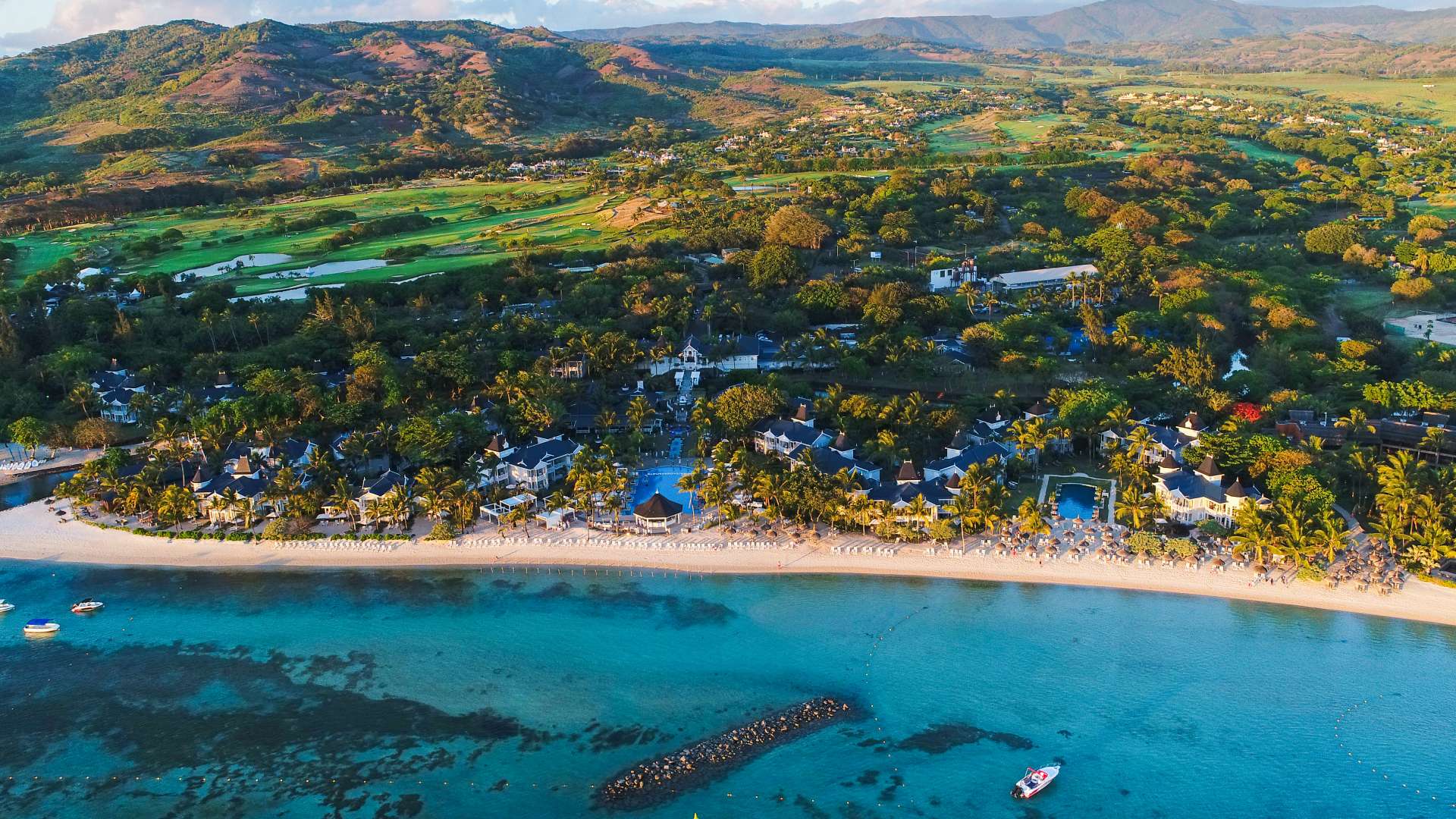
The Mauritian climate varies noticeably between the north and the south. The north benefits from a more sheltered environment, while the south is exposed to prevailing winds. This exposure shapes perceived temperatures, sea conditions, and vegetation. Winter in Mauritius runs from May to October. It does not correspond to a European winter. Temperatures remain between 20 and 26 degrees, with bright days and cooler evenings. Wind is more present, bringing a constant sense of freshness. The sea can be more active, particularly along the wild coast. This contrast transforms the landscape. Vegetation becomes denser, reliefs more defined, and the atmosphere more dynamic. Preconceptions persist. The south is often described as too windy or too humid. In reality, these elements define the identity of the region. They offer a more direct and authentic perspective of Mauritius, distinct from the conventional beach image.
Why the South in Winter Is the Best Time to Visit
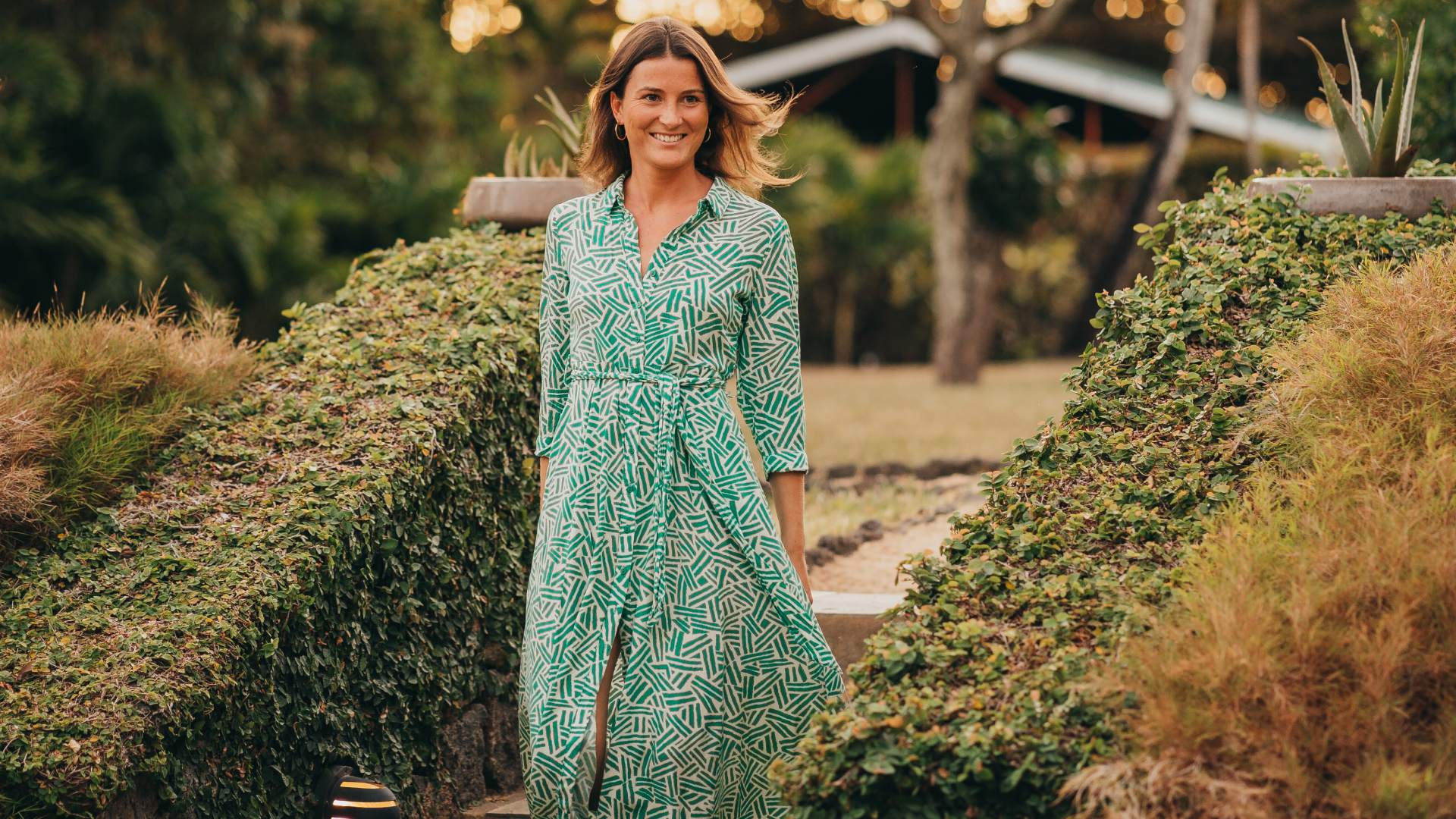
Tourist numbers decrease during this period. Sites are more accessible, beaches less crowded, and interactions more natural. This calm allows places to be experienced without constraint. Temperatures remain stable and comfortable. The absence of intense heat makes outdoor activities easier. Walking, exploring, or practising sports becomes more fluid. Landscapes evolve. Occasional rainfall nourishes vegetation, rivers fill, and waterfalls gain intensity. This transformation enhances natural exploration. Pricing conditions are also more flexible. Outside peak periods, accommodation and certain activities offer greater availability. Restaurants are less busy, improving the overall experience.
Bel Ombre: A Wild Territory That Awakens in Winter

Bel Ombre extends across more than 2,500 hectares. This historic estate brings together a range of landscapes between sea, forest, and elevated terrain. The Bel Ombre Nature Reserve forms a central point. It offers structured nature-based experiences. Guided safaris, quad trails, and riverside picnics allow the territory to be explored under suitable seasonal conditions. In winter, the reserve takes on greater intensity. Colours deepen, trails become more active, and water points are more present. The wild coastline, defined by cliffs and rock formations, becomes particularly expressive. Wind and waves emphasise the relief. This setting enhances activities such as hiking or climbing, both visually and technically.
A Different Way to Stay in the South
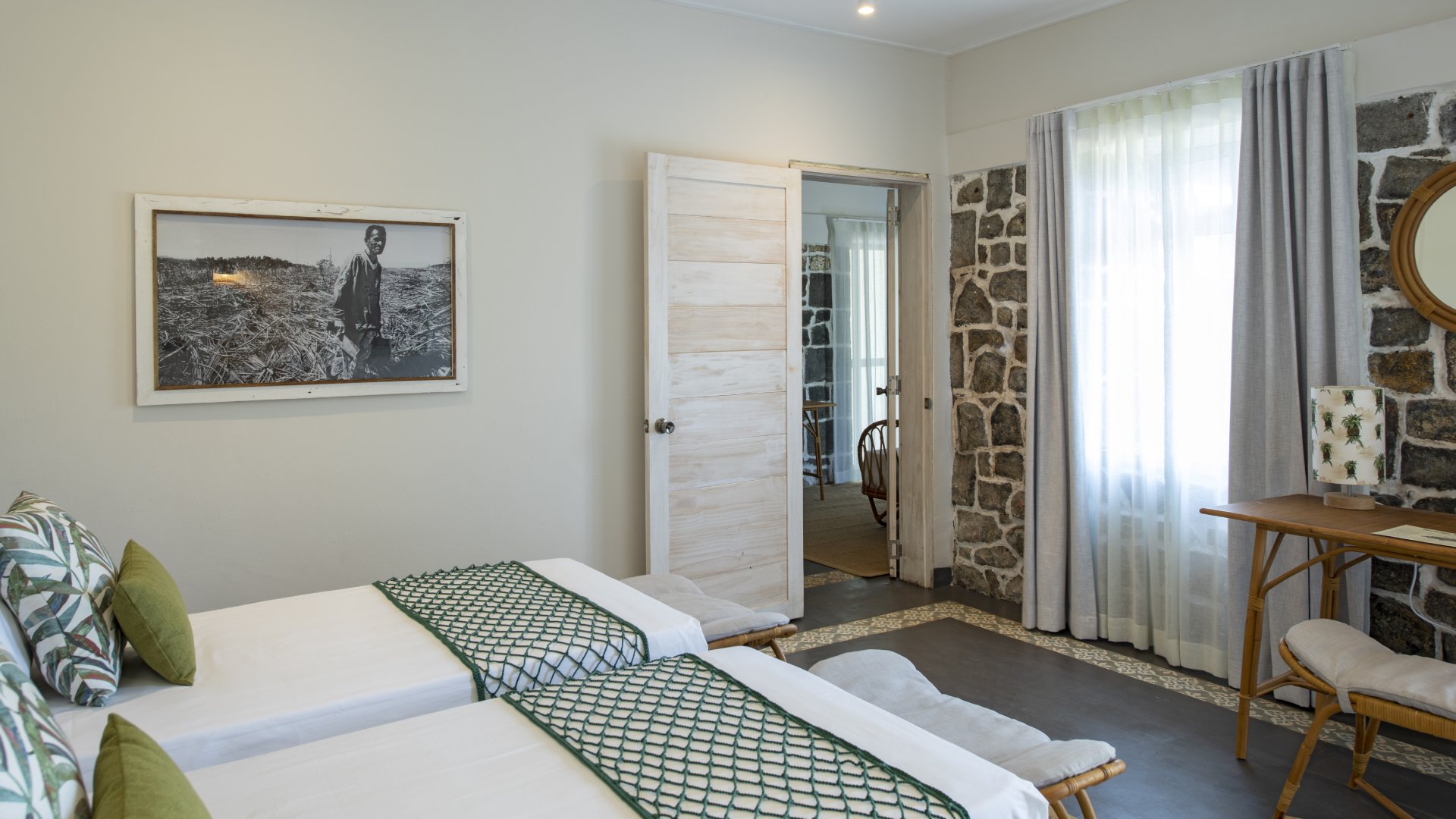
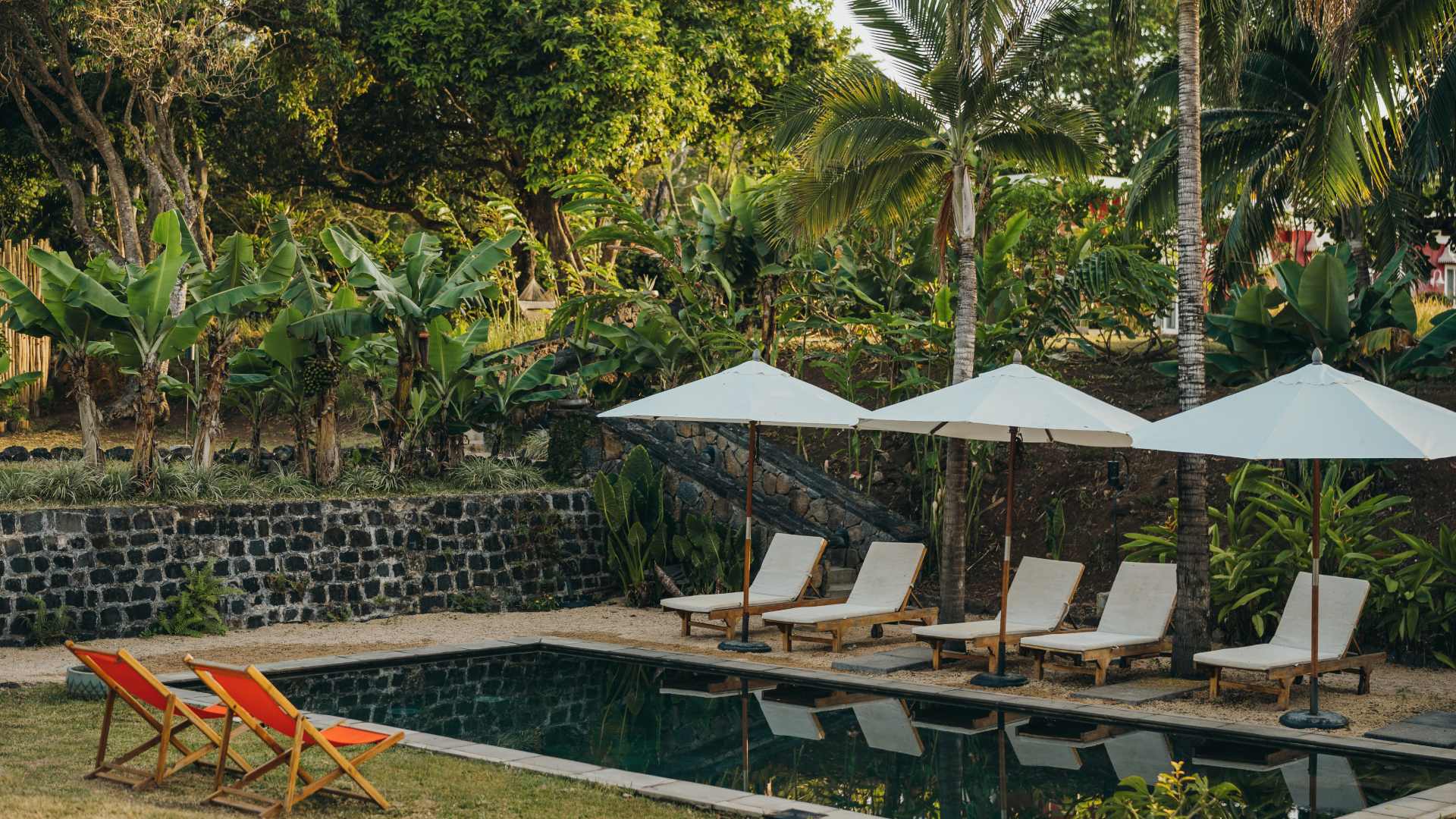
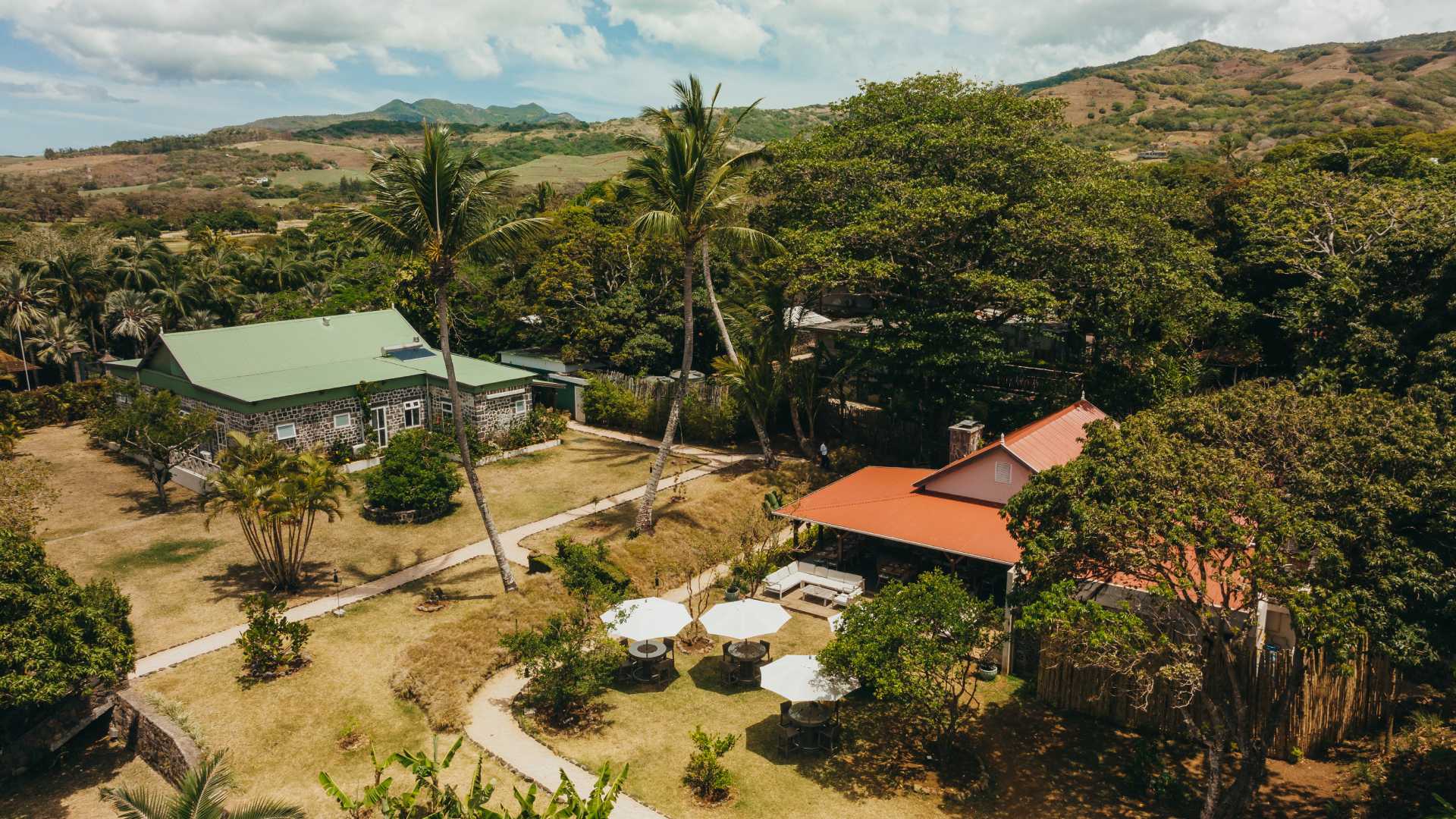
Kaz’alala is rooted in this territorial approach. Located within the Bel Ombre estate, it offers a distinct vision of accommodation. The concept is based on a bed and breakfast structured around themed houses. Cabane du Cardinal, Lakaz La Mer, Cabane du Soleil and Lakaz La Vie provide configurations suited to couples, families, or groups. Each house offers a specific setting while maintaining consistency in service and attention to detail. The experience is also shaped by hospitality. The stay is built around a direct relationship, inspired by local welcoming traditions. This approach allows for a more natural integration into the rhythm of the south, particularly in winter when interactions are calmer and more available.
What You Can Do in Winter
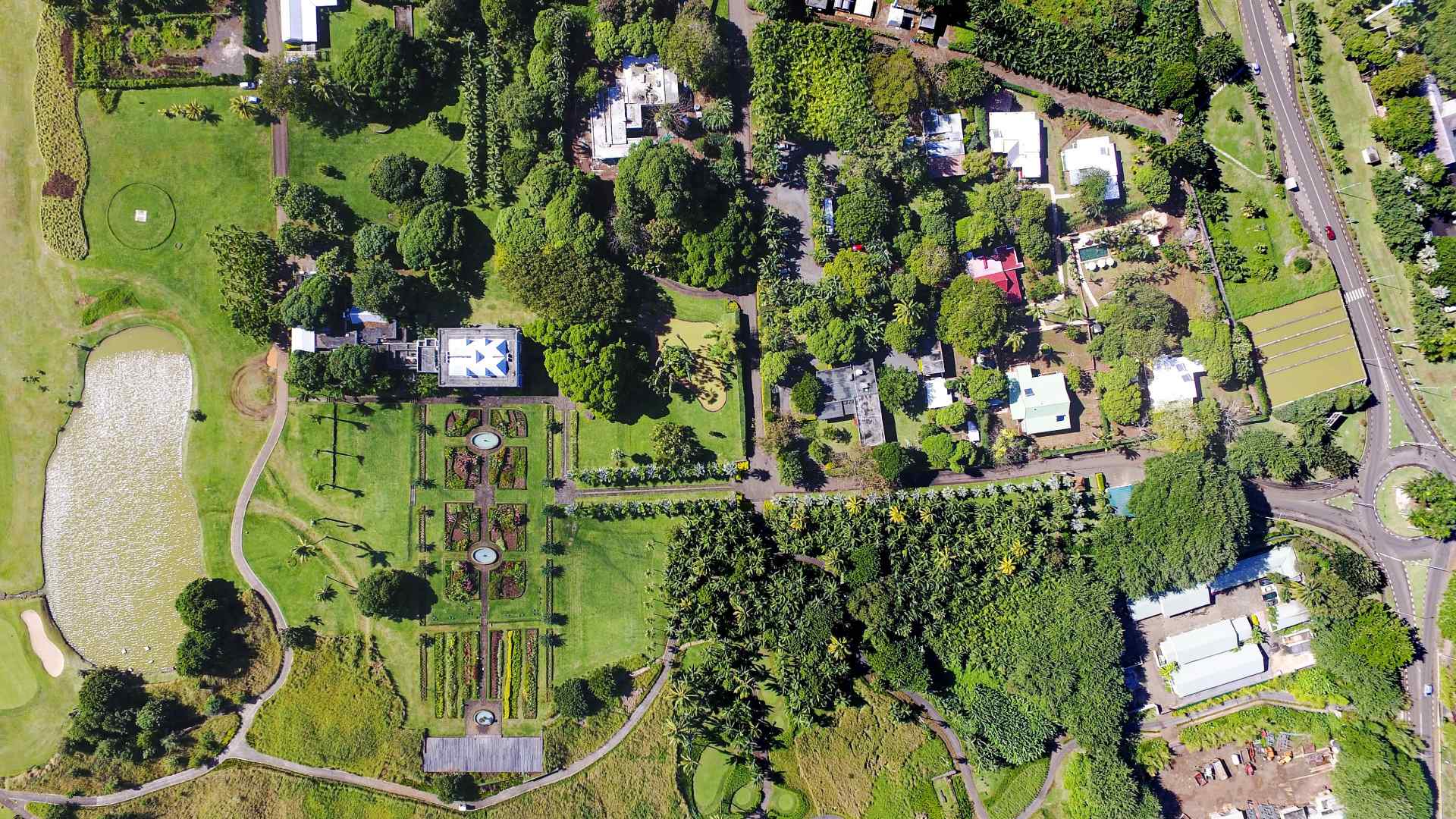
Nature and exploration
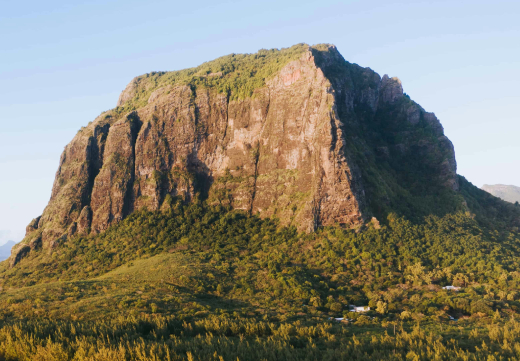
The Bel Ombre Nature Reserve remains a key activity. Climatic conditions make exploration more comfortable, especially for longer experiences. The ascent of Le Morne Brabant becomes more accessible. Temperatures allow for a more stable climb without the constraint of heat. Gris-Gris, with its cliffs open to the ocean, offers a more direct reading of the coastline. Waves and wind reinforce the experience.
Cultural and lesser-known experiences
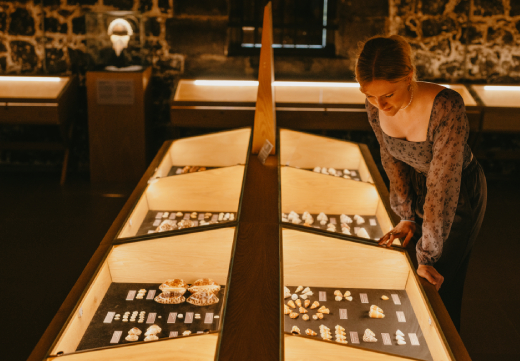
The Robert Edward Hart Museum in Souillac provides insight into local literary history. World of Seashells presents the largest shell collection in Africa, with a structured and educational approach. The Riambel vortex attracts interest for its singular character. The experience remains personal and varies according to individual perception. Grand Bassin remains a major mauritian cultural site. In winter, lower visitor numbers allow for a more fluid visit.
Gastronomy and local craft
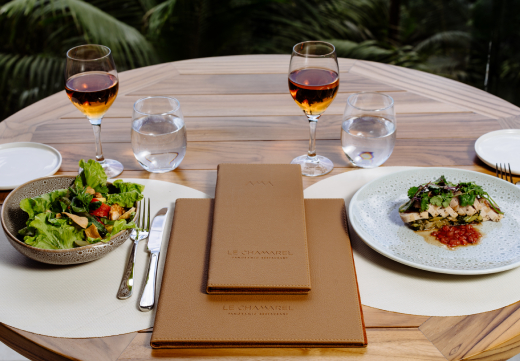
Le Chamarel Restaurant focuses on Creole cuisine. Local products are presented within a setting overlooking the southern reliefs. The villages of Baie du Cap and Chamarel allow for spontaneous stops. Local tables remain accessible and less in demand during winter.
Sport and outdoor activities
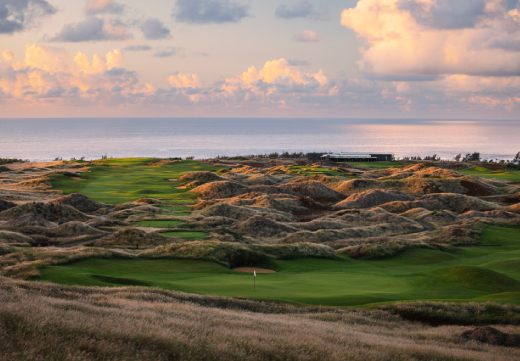
Heritage Golf Club offers optimal playing conditions. Lower attendance allows smoother access to the championship golf courses. Water sports, including kitesurfing, remain possible due to consistent wind. Helicopter flights provide views of the island’s relief and marine formations shaped by currents.
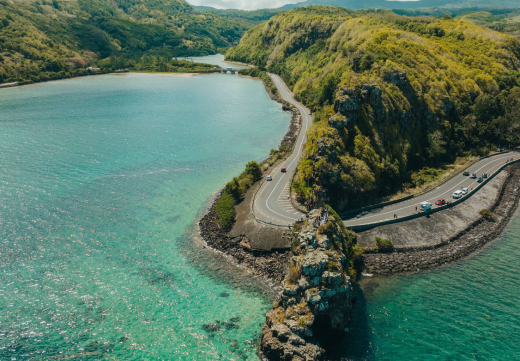
Macondé Viewpoint
Macondé offers one of the most striking views in the south of Mauritius. Located along an elevated coastal road, this viewpoint remains relatively quiet. The site holds a strong local history linked to its former isolation. Today, it is freely accessible. In winter, atmospheric conditions enhance the visual impact. Clouds move around Le Morne, creating a shifting composition. Light evolves quickly, adding depth to the landscape. Access is simple and requires no reservation.
Practical Advice for Planning Your Winter Stay in the South
Appropriate clothing remains essential. Light layers allow adjustment to temperature variations. A windbreaker or light rain jacket may be useful, particularly near the coast. Suitable footwear is recommended for outdoor activities. Bookings can be organised directly through Kaz’alala and partners within the estate. This allows the stay to be structured around coherent and accessible activities. The south can be combined with other regions of the island. This approach allows variation in environments while maintaining a stable base. Certain precautions should be considered. Sea conditions may vary. It is recommended to check forecasts before engaging in water-based activities.
Conclusion
Winter in the south of Mauritius does not align with usual expectations. It is not a period of withdrawal, but one of transformation. Landscapes evolve, activities shift, and the pace becomes more measured. This combination creates a different experience, more grounded in the territory. For a stay at Kaz’alala, this period allows for a more complete immersion. The south reveals itself without filter, balancing nature, culture, and tranquillity.
FAQ
Why visit the south of Mauritius in winter?
The region offers more calm, greener landscapes, and favourable conditions for outdoor activities.
Is the south of Mauritius enjoyable during the austral winter?
Yes. Temperatures remain mild and conditions allow full access to the territory.
What can be done in the south during winter?
Nature activities, cultural visits, local gastronomy, outdoor sports, and coastal exploration.
Which places should be visited during winter?
Bel Ombre, Le Morne, Gris-Gris, Chamarel, Macondé and Grand Bassin.
What should be packed for winter?
Light clothing with an additional layer, a windbreaker, and suitable footwear for outdoor activities