


Apr 13, 2026
Bel Ombre: A Territory to Explore Between Ocean, Reserve and Plantations
The south of Mauritius follows a different rhythm. In certain areas, the coastline remains less protected by reefs. The land presents a more irregular formation and has not been shaped to support large-scale development. Cliffs meet the ocean without interruption. Vegetation grows dense, at times impenetrable. Roads pass through, rather than structuring the landscape. This geography has limited expansion. It has also preserved what existed before.
What makes Bel Ombre different
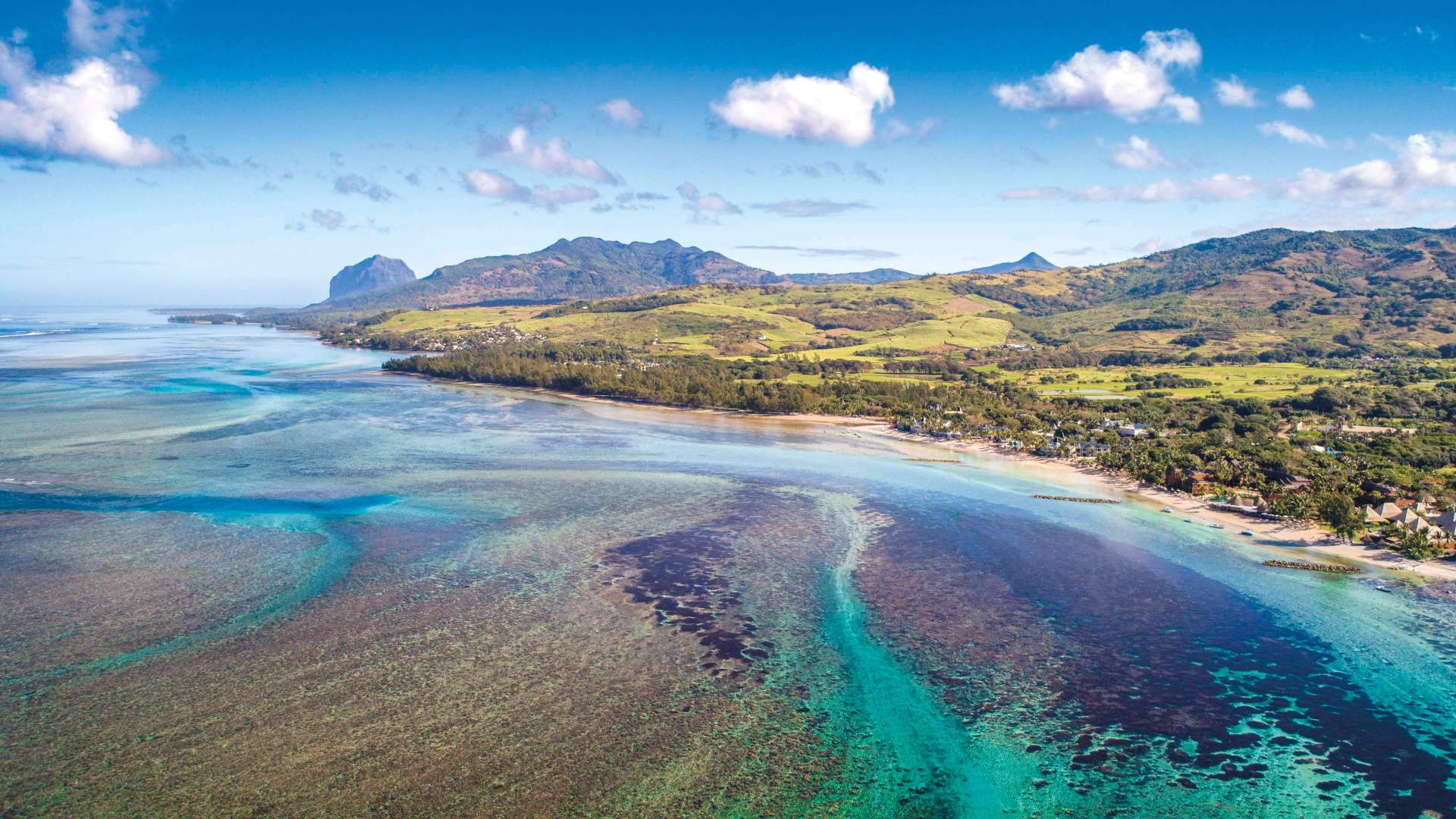
Bel Ombre does not operate as a resort zone. It functions as a territory where multiple elements coexist. The lagoon, the nature reserve, and the plantation estates are not separated. They form a continuous environment. Movement across Bel Ombre is not about reaching attractions. It is about navigating layers of land, each with its own history and purpose.
The Ocean – A Living Frontier
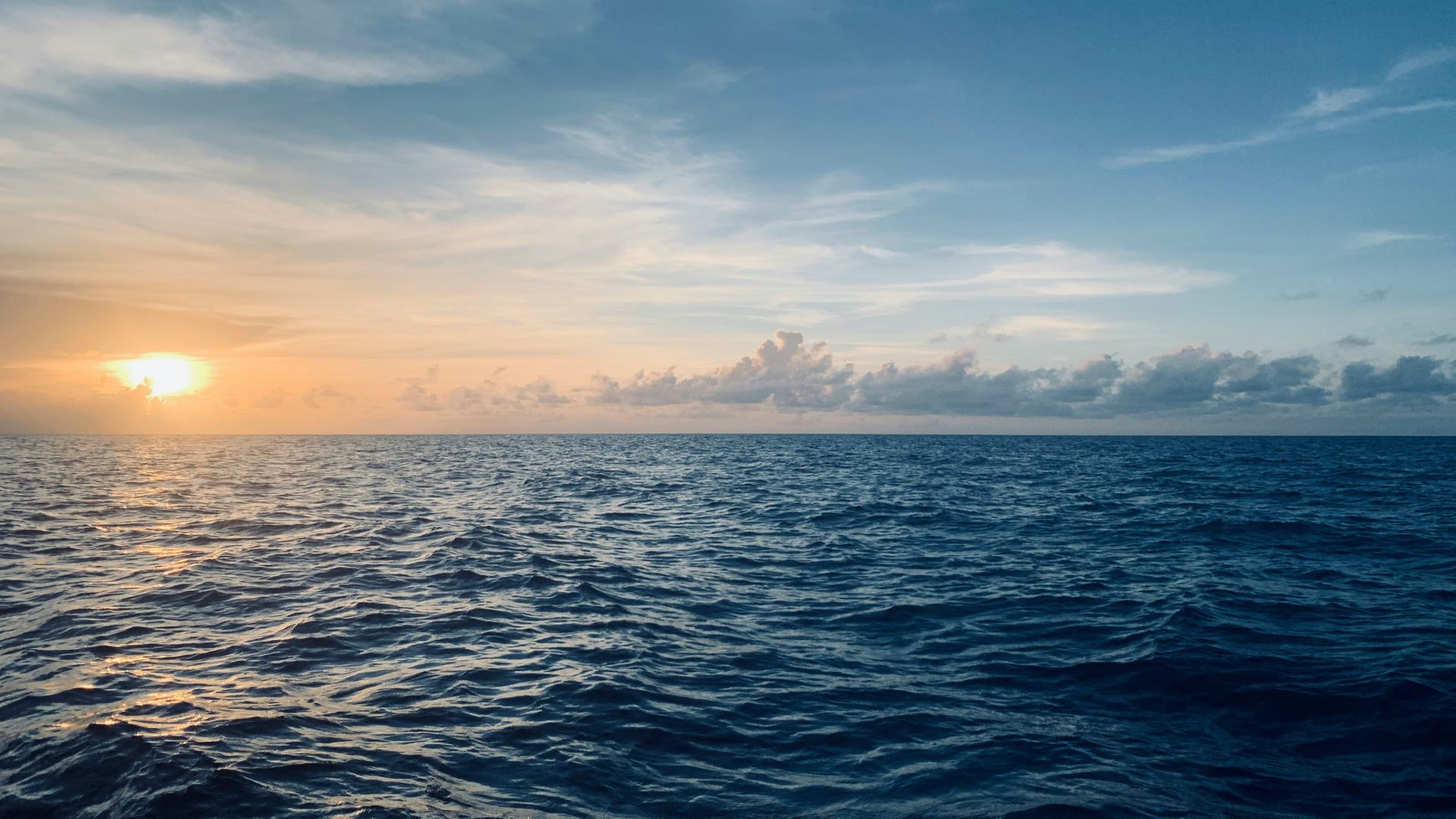
The lagoon of Bel Ombre Bay
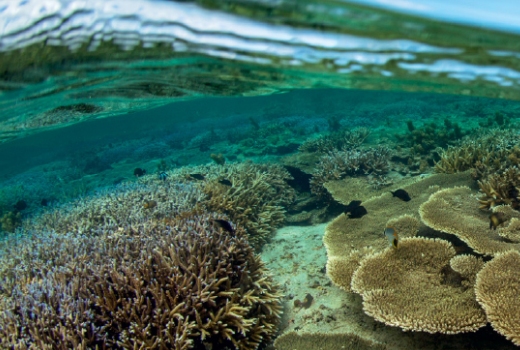
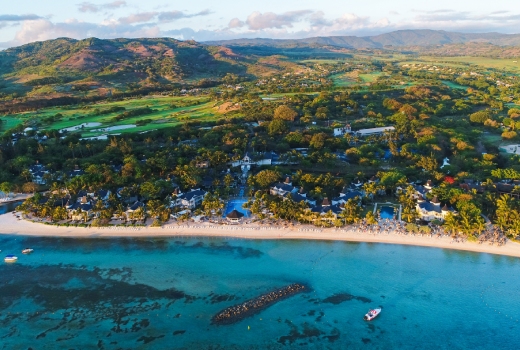
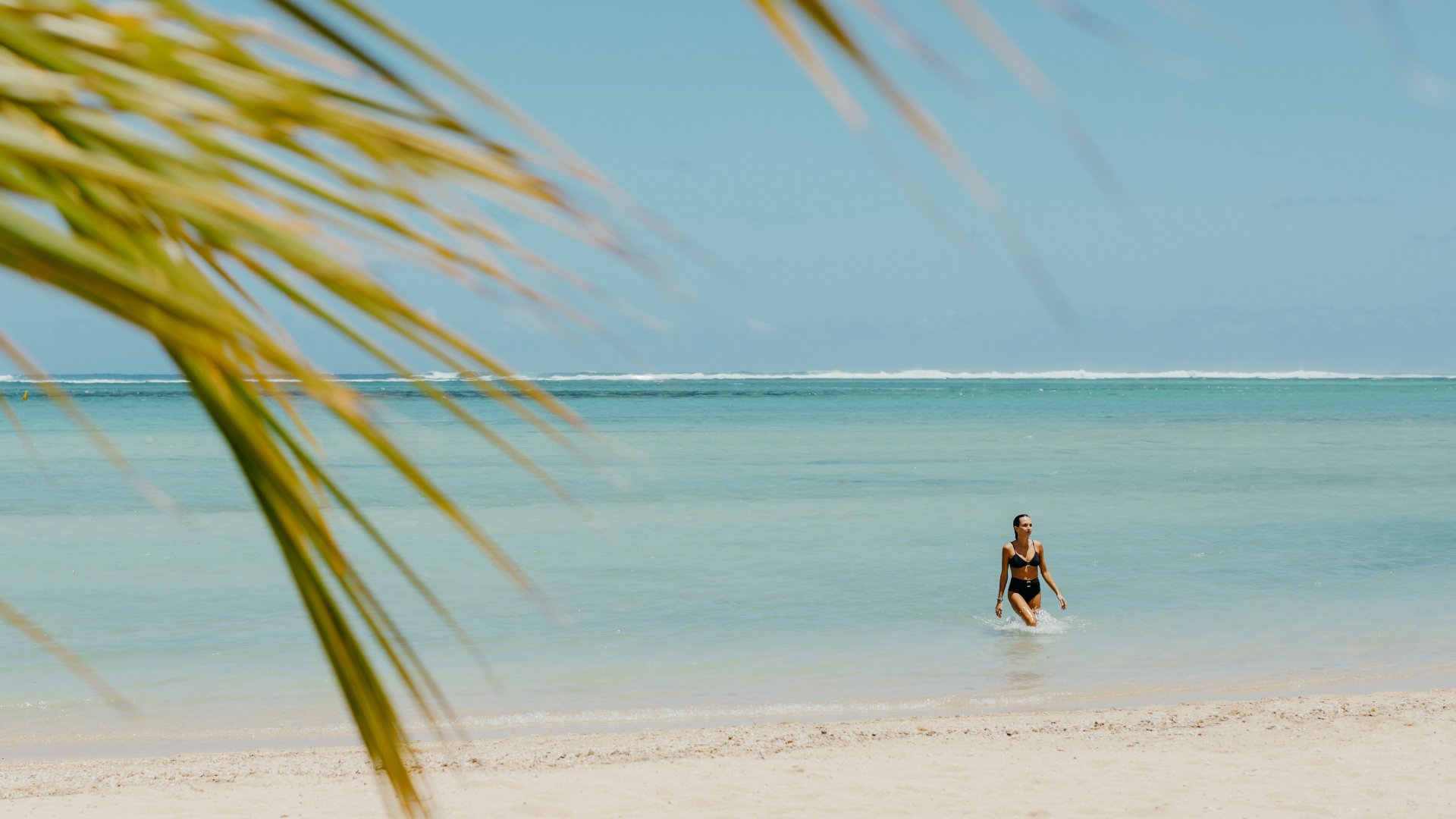
Bel Ombre Bay opens onto a lagoon that remains relatively undisturbed. Coral formations extend across shallow areas, creating a natural barrier that shapes the water’s movement. The lagoon shifts in colour depending on depth and light, revealing sandbanks, seagrass beds, and reef structures. This is not a static environment. It changes throughout the day.
Marine life
Snorkelling within the lagoon offers direct access to marine ecosystems that remain intact. Fish species move between coral heads. Smaller organisms inhabit the reef surface. Visibility is often at its best in the early morning, when the water is calm. The absence of heavy traffic has allowed the reef to maintain its balance.

Water experiences
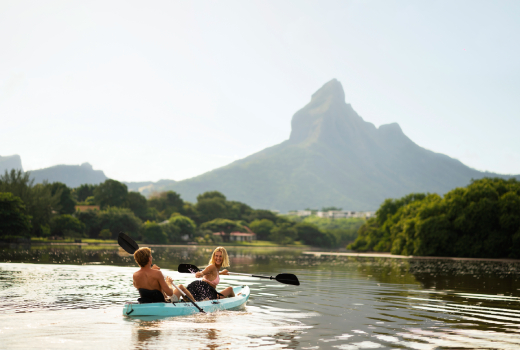
The lagoon supports a range of low-impact activities. Kayaking allows for movement across shallow waters without disturbance. Diving sites extend beyond the reef, where deeper sections reveal different marine environments. Coastal trails run parallel to the ocean, offering access to viewpoints that cannot be reached by vehicle.
The Reserve – Where the Island Remembers Itself
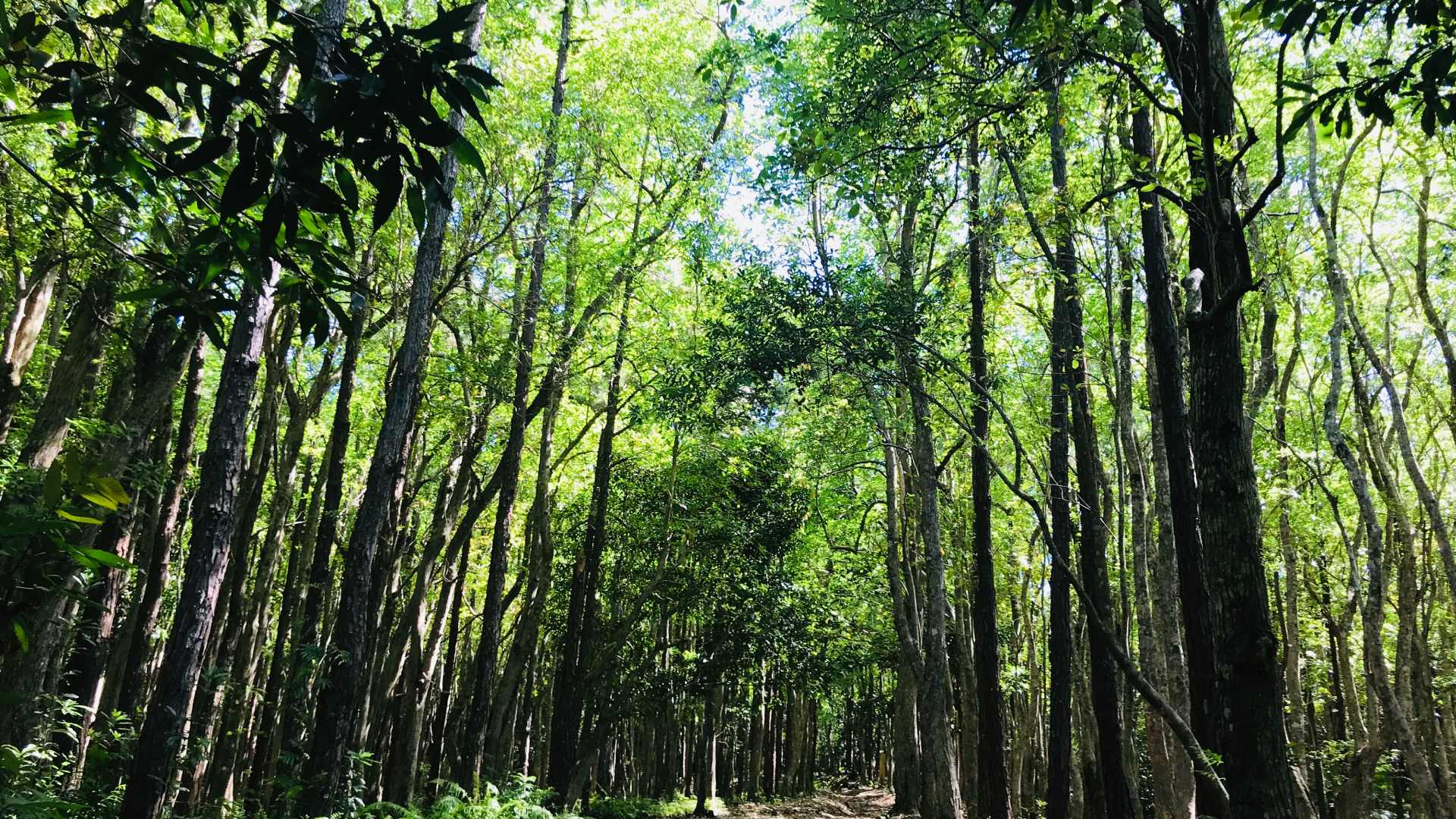

protected wilderness
The Bel Ombre Nature Reserve covers approximately 2,500 hectares. It includes forest, grassland, rivers, and elevated terrain. Entry into the reserve introduces a different scale. Distances expand. Sound diminishes. This is one of the few areas where the island’s original ecosystems are being actively restored.
The return of native fauna
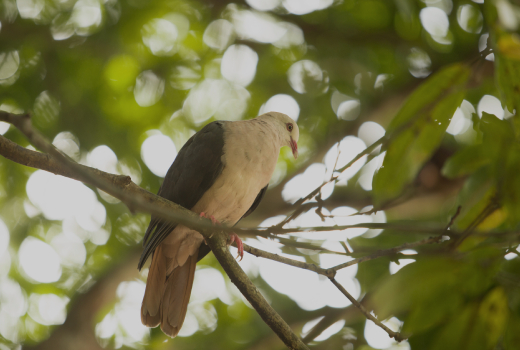
Reforestation programmes have focused on reintroducing endemic species, particularly ebony trees. These efforts aim to rebuild habitats that were lost during earlier periods of exploitation. As vegetation returns, so does wildlife. Bird species and smaller fauna are gradually reappearing within the reserve.

How to explore the reserve
Exploration can take several forms. Guided hikes provide detailed insight into the flora and land. Safari drives allow access to deeper sections of the reserve. Quad tracks offer a more direct route across varied landscapes. Each approach reveals a different aspect of the environment.
History Beneath Your Feet
The transformation of Bel Ombre
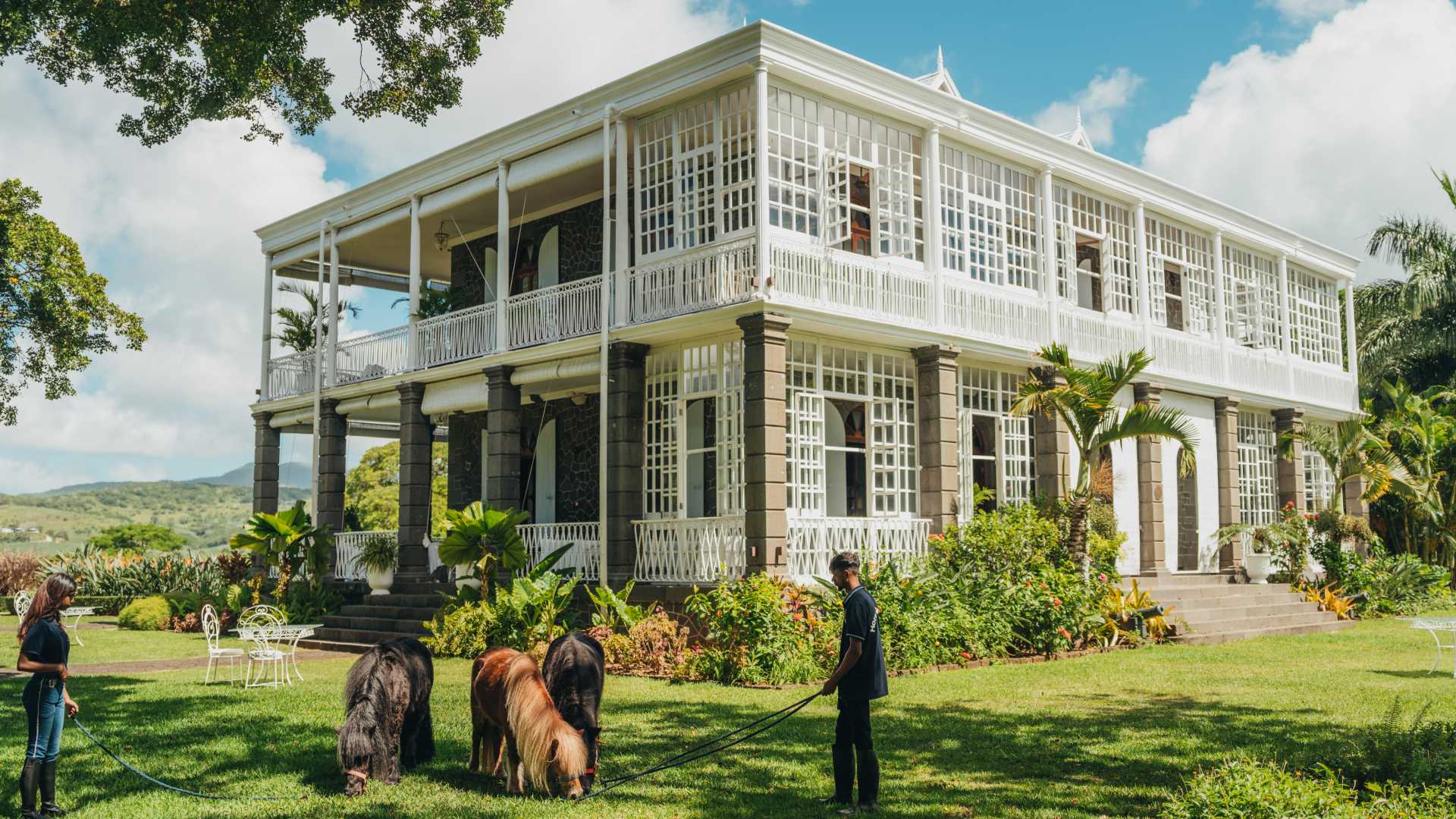
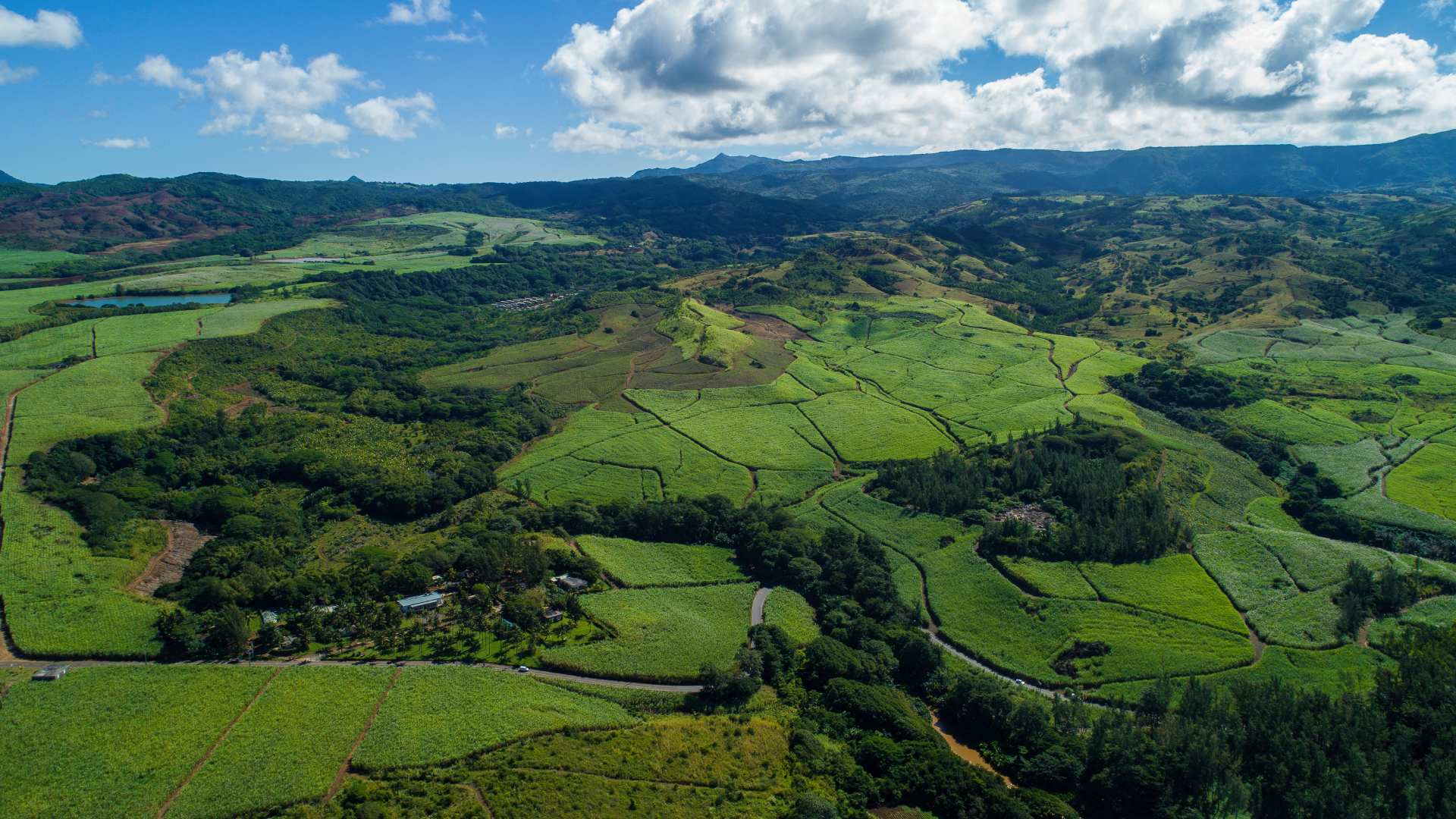
Bel Ombre was once structured around sugar production. The land was organised for cultivation, with infrastructure designed to support export. Over time, this system declined. Today, the estate has been reconfigured. Agricultural traces remain, but they are integrated into a broader framework that includes conservation and hospitality.
Château de Bel Ombre
The château stands at the centre of this transformation. Its architecture reflects the colonial period, while its current use connects to contemporary Mauritian cuisine. Dining here links past and present without altering the structure itself.

Where Nature and Heritage Overlap
The estate trails
Trails run across the estate, connecting open land with the boundary of the reserve. Moving along these paths reveals transitions in vegetation, soil, and use. The shift from cultivated land to forest is gradual rather than abrupt.
Conservation efforts rooted in the plantation legacy
Conservation in Bel Ombre does not erase the past. It builds from it. Land once used for monoculture is now part of restoration programmes. Infrastructure has been adapted rather than removed. This approach allows continuity while changing purpose.
How Bel Ombre is sustainable
Bel Ombre demonstrates a form of tourism that integrates environment, history, and local context. Development is contained within existing structures. Activities are designed to limit impact. The result is a model where access does not require transformation of the landscape.
Practical Guide to Exploring Bel Ombre
Best time to visit each territory
The lagoon is best experienced in the morning, when wind and visibility are at their lowest. The reserve is more accessible in the early hours or late afternoon, when temperatures are moderate. Plantation areas can be explored throughout the day, depending on light conditions.
Getting there and getting around
Bel Ombre is in the south-west of Mauritius, approximately one hour from the airport. Access is straightforward by road. A vehicle is recommended for movement within the region. Distances between sites are manageable, but not always walkable.
Where to stay
Accommodation within Bel Ombre is designed to integrate with the surroundings. Villas and lodges offer direct access to the estate, rather than separating guests from it. Staying within the territory allows for a continuous experience, without daily relocation.
Bel Ombre Is Not a Resort. It Is a Territory
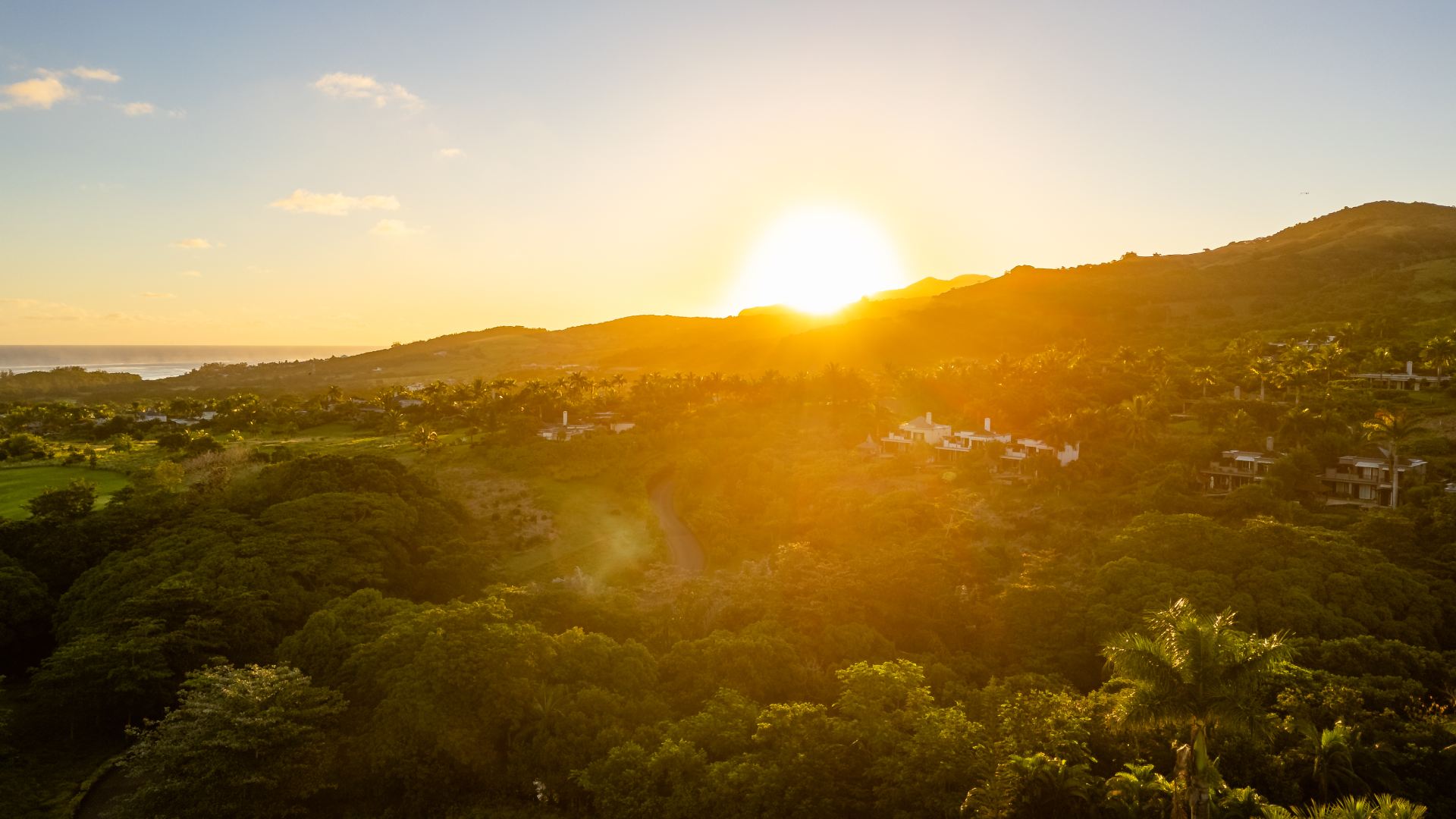
Bel Ombre cannot be reduced to a single function. It is not defined by accommodation, activity, or landscape alone. It operates as a connected environment, where each element contributes to the whole. To experience Bel Ombre is to move through these connections, without isolating them.
Frequently Asked Questions About Bel Ombre
Where exactly is Bel Ombre in Mauritius?
Bel Ombre is in the south-west of Mauritius, between Souillac and Le Morne, within a region that combines coastline, reserve, and estate land.
What is the Bel Ombre Nature Reserve, and can anyone visit?
The Bel Ombre Nature Reserve is a protected area covering approximately 2,500 hectares. It is open to visitors through guided experiences and organised activities.
Is Bel Ombre suitable for families with children?
The area can accommodate families. Activities such as nature walks, lagoon exploration, and estate visits can be adapted for different age groups.
What is the best time of year to visit Bel Ombre?
Bel Ombre can be visited throughout the year. Seasonal variations affect wind, temperature, and sea conditions, but access remains consistent.
How is Bel Ombre different from other parts of Mauritius?
Bel Ombre combines natural and historical elements within a single territory. It has not been developed as a continuous resort zone, which allows for a more integrated experience of the island.
Where to stay in Bel Ombre?
Accommodation options include villas and lodges located within the estate. These properties provide direct access to the surrounding landscape.