


Dec 15, 2025
Mauritius: A Cultural Melting Pot Where Traditions, Flavours, and Communities Live as One
Mauritius is often described through its turquoise lagoons and stretches of white sand. Yet its true richness lies far beyond the shoreline. It beats in the sound of sega drums, glows in the light of Divali lamps, whispers through stories passed across generations, and fills every home-cooked meal with memories and meaning. To travel through Mauritius is to enter a world shaped by many cultures, each contributing to the island’s identity. Creole, Indian, European, and Chinese influences have blended over centuries, giving rise to a way of life that is vibrant, generous, and deeply rooted in community. Kaz’alala celebrates this cultural tapestry with pride. Staying here is an invitation to experience the Mauritius that locals know rich in flavours, traditions, and warmth.
A Tapestry of Cultures Woven Over Centuries

Mauritius stands apart in the region for one simple reason: it has no single origin story. Instead, it has many. African, Malagasy, Indian, European, and Chinese communities all settled on the island at different times, bringing with them languages, religions, crafts, and customs that now live side by side. This diversity is not just visible, it is lived, every day, through festivals, food, music, and the way Mauritians interact. Creole culture adds rhythm and storytelling. Indian heritage brings devotion, colour, and ancestral ceremonies. European influence shapes architecture, educational traditions, and parts of daily life. Chinese culture enriches gastronomy and family customs. These influences blend into something unique: a Mauritian identity that honours difference while celebrating unity.
Traditions Carried Through Daily Life
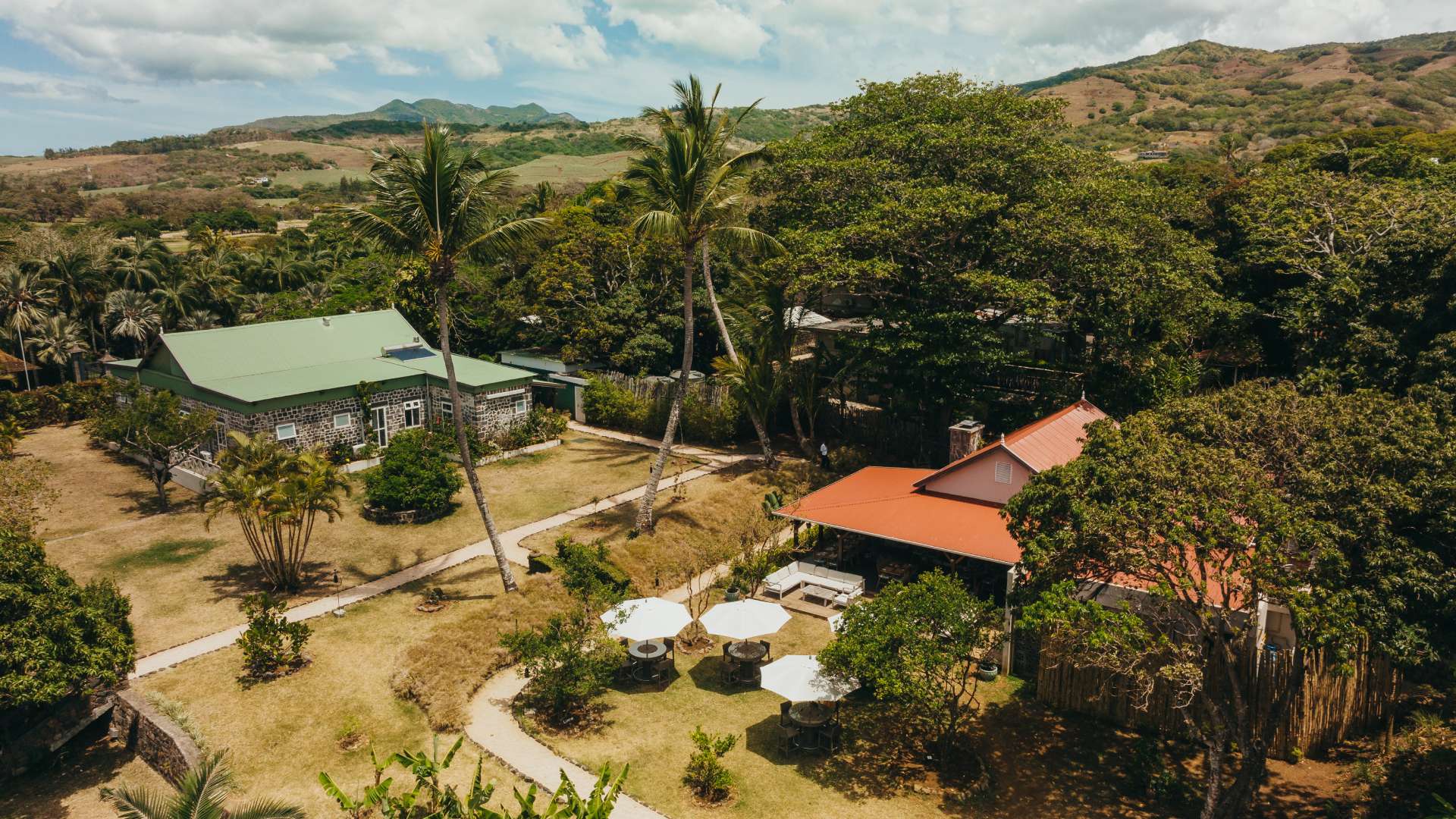
The South of Mauritius, where Kaz’alala is nestled, is one of the most authentic regions to witness local life. Villages flourish with simplicity and generosity, and the pace of life encourages meaningful encounters.
Creole Hospitality: Warm, Spontaneous, and Genuine
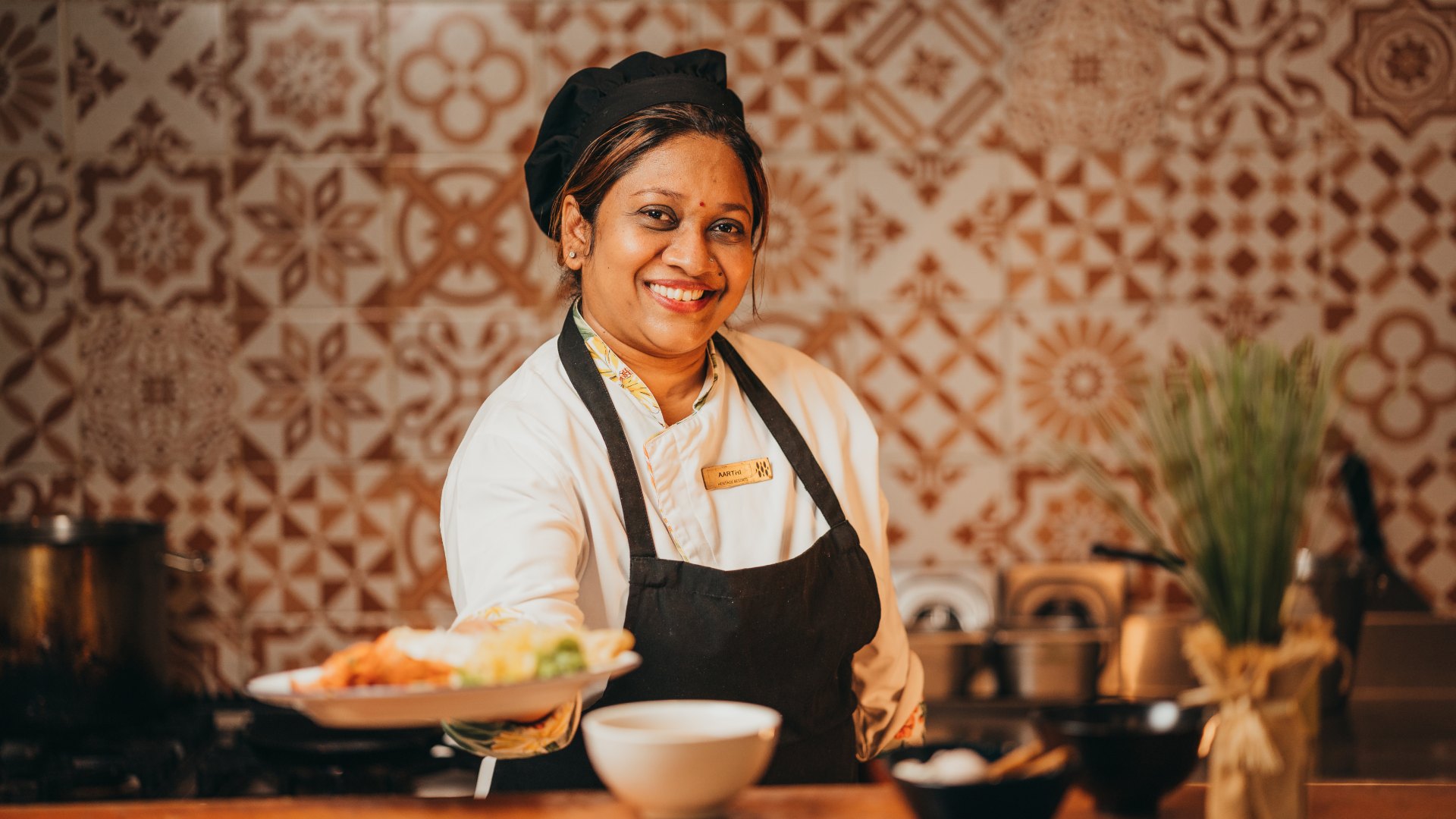
Mauritians are known for their warm smiles, their curiosity, and their ability to welcome strangers like old friends. At Kaz’alala, this spirit is ever-present. Conversations begin naturally, advice is shared freely, and guests are encouraged to feel at home. Hospitality here is more than a gesture, it is a way of life.
Local Crafts, Markets, and Village Life
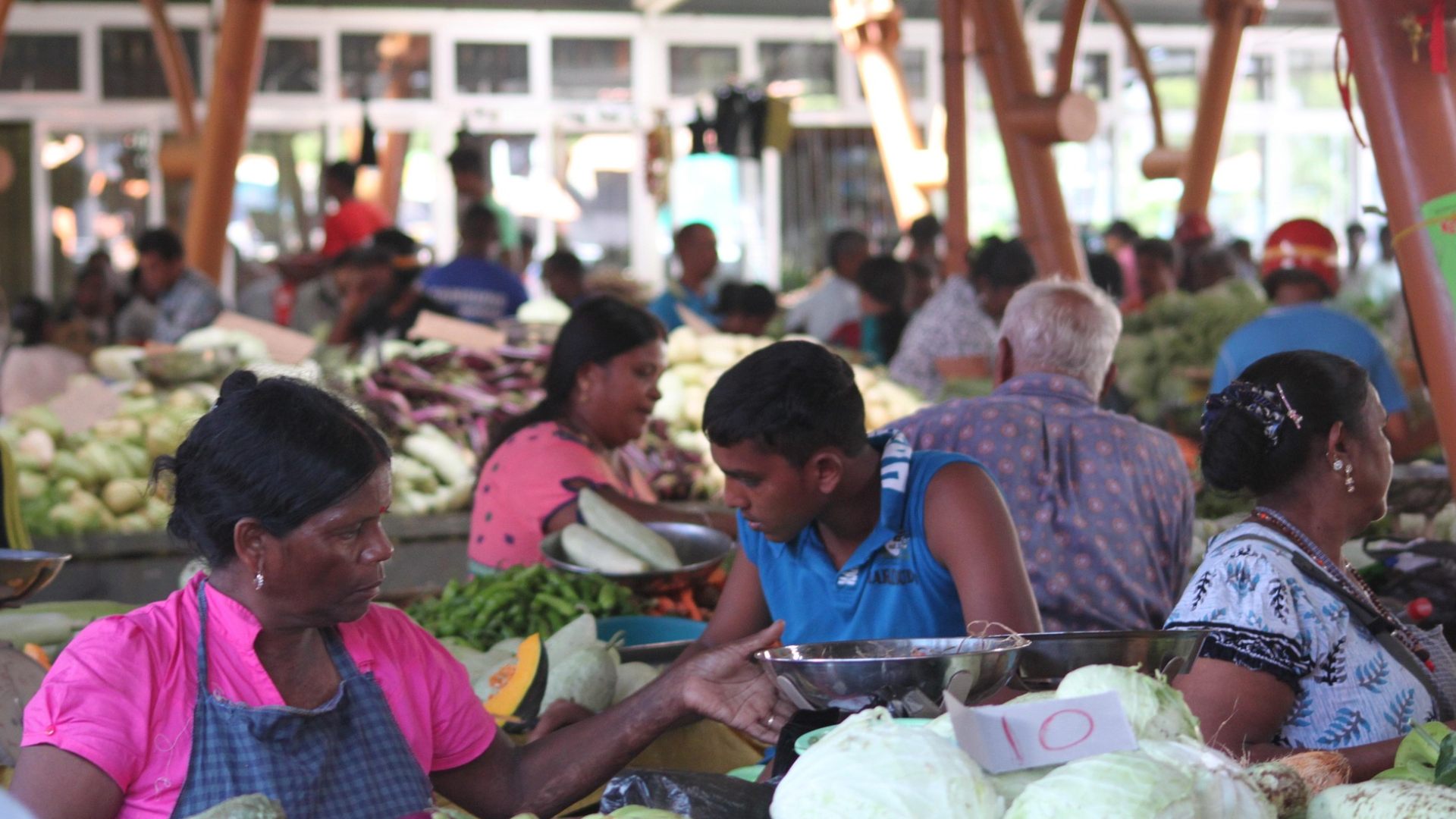
Walking through southern villages reveals a quiet charm. You might meet artisans shaping wooden toys, weaving baskets, or preparing spices the traditional way. The markets brim with colours and fragrances: fresh chilies, tropical fruits, fish straight from the lagoon, homemade pickles, and colourful saris hung out in rows.
Every stall carries a piece of Mauritian heritage. Every interaction teaches something about the island’s deep sense of community. The South is also home to ancestral homes old stone structures, verandas shaded by banyan trees, and gardens filled with tropical flowers. These places tell stories of families, traditions, and generations who shaped the region. Travellers who venture beyond the beaches experience a Mauritius that is more intimate and more meaningful.
Creole Gastronomy: The Heartbeat of Mauritian Culture
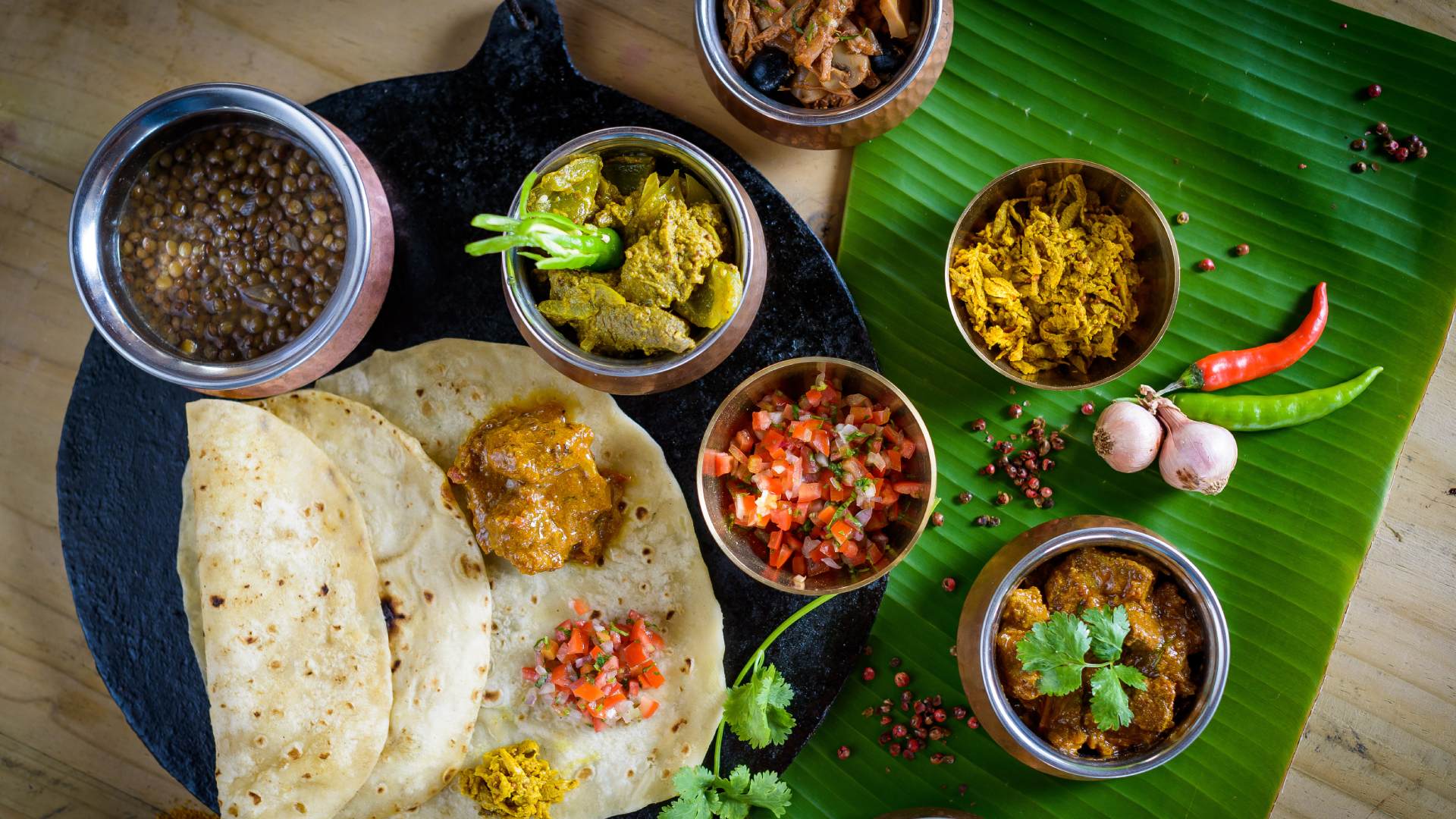
If there is one expression of culture that unites all Mauritians, it is food. Creole cuisine is not simply a mix of influences, it is an art of bringing people together. A typical Mauritian meal is colourful, fragrant, and prepared with love. Families gather around dishes that tell their own stories.
Farata: Soft, flaky flatbread enjoyed with curries or chutneys
Rougaille: A bright, comforting tomato-based stew often cooked with fish or sausages — simple, homely, and loved by all generations.
Mauritian Curry: A blend of spices inherited from Indian traditions, usually cooked with chicken, seafood, or vegetables, and best served with rice or farata.
Dholl Puri: A street-food classic thin wheat pancakes stuffed with yellow split peas, rolled with curry, pickle, and chutney.
Boulette: Steamed dumplings of Chinese influence, enjoyed in broth or with spicy sauces.
Gâteau Piment: Crispy chilli fritters made from split peas; small, flavourful, and irresistible at any time of day.
Sharing food in Mauritius is a gesture of affection. At Kaz’alala, guests often describe meals as moments where the island’s culture becomes tangible, warm, and unforgettable.
Music, Rhythm, and the Freedom of Sega
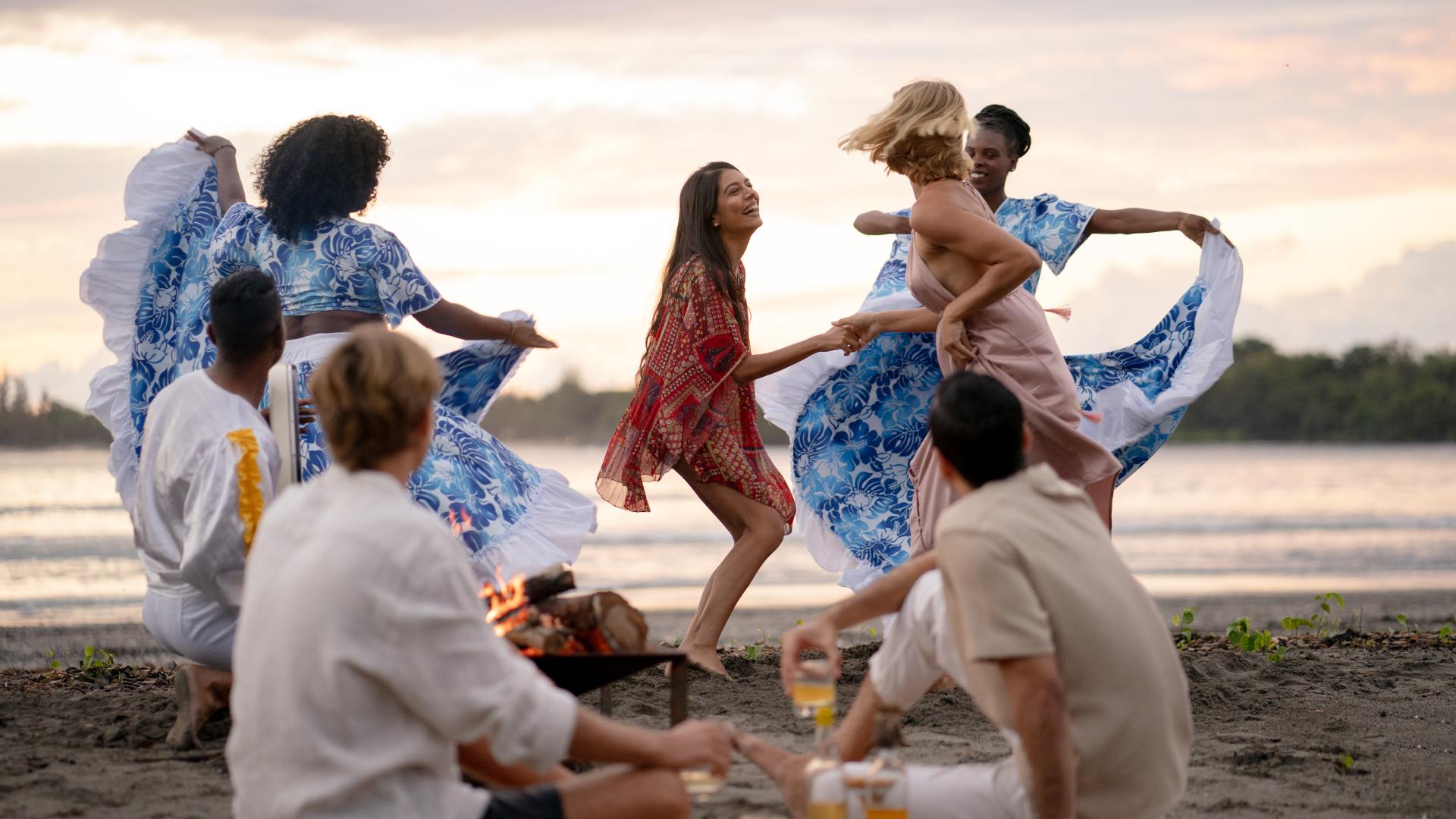
Mauritian culture is inseparable from its music. And at the heart of this musical identity lies Sega, the island’s traditional rhythm and dance. Originating from the African diaspora, sega is raw emotion expressed through voice, percussion, and movement. Its rhythms once carried stories of resilience, longing, and hope today, they carry joy and freedom. You might hear sega drums echoing through a village, or see locals dancing barefoot on the sand as the sun goes down. The music invites everyone young, old, visitor, or local to join the circle and celebrate life. Experiencing sega is to feel Mauritius with your whole heart.
A Calendar Filled with Colour, Devotion, and Celebration
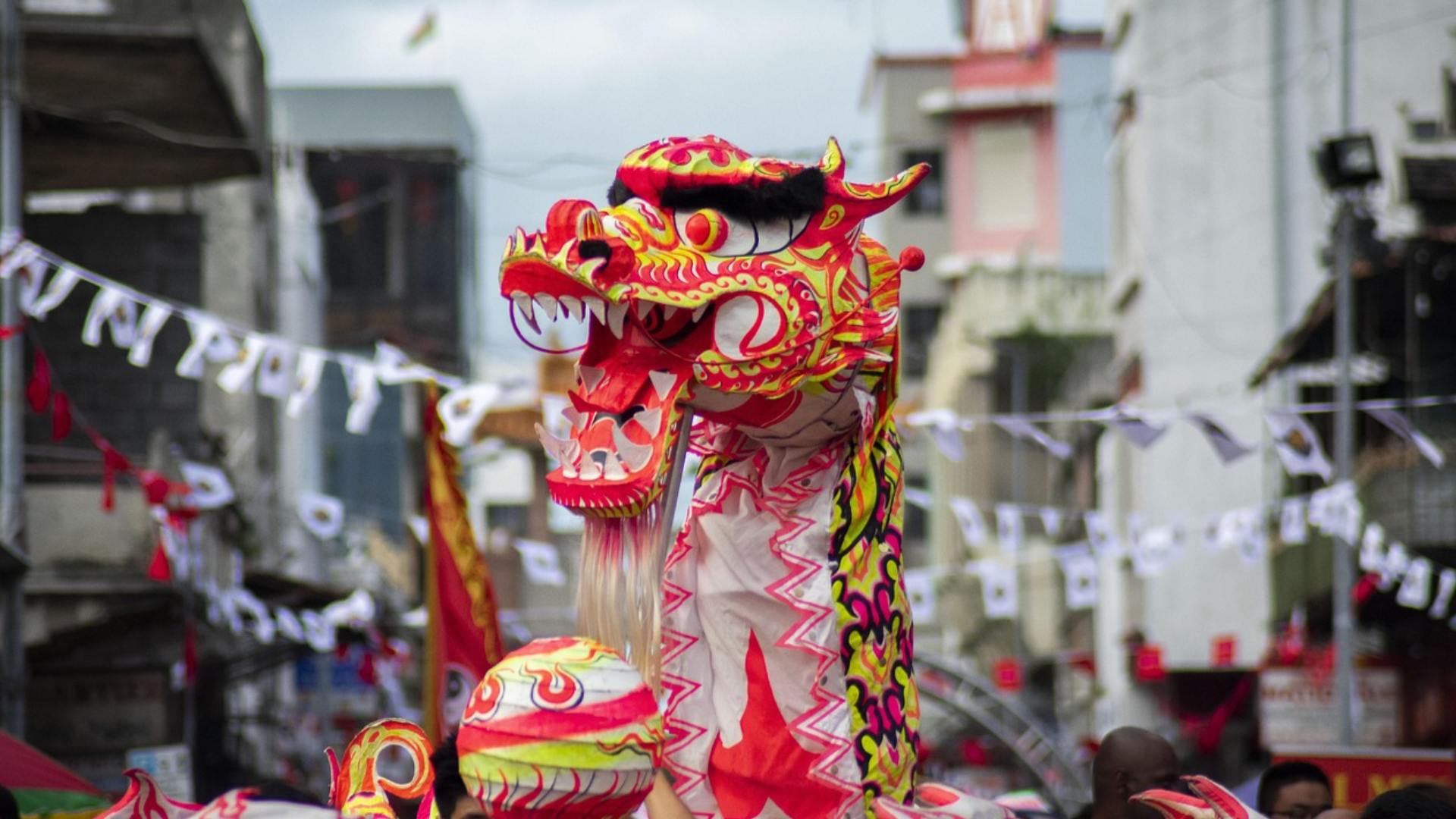
Mauritius is home to many religions, all coexisting harmoniously. This makes the island’s cultural calendar remarkably rich, filled with celebrations that embrace light, devotion, music, and unity.
The best festivals of Mauritius:
Holi: A joyful festival of colours celebrating spring, unity, and new beginnings.
Cavadee: One of the most colourful Tamil festivals, marked by processions, offerings, and a profound sense of devotion.
Thaipoosam Cavadee: A deeper spiritual observance involving vows, fasting, and ceremonial rituals.
Divali (Deepavali): The Hindu festival of lights, honouring hope and renewal. Homes glow with small oil lamps, and families share sweets with neighbours.
Maha Shivaratree: A major Hindu pilgrimage during which devotees walk to Grand Bassin to honour Lord Shiva.
Chinese Spring Festival (Chinese New Year): A celebration marked by dragon dances, firecrackers, and family feasts that welcome prosperity.
Eid-ul-Fitr: Marking the end of Ramadan, celebrated through generosity, shared meals, and community gatherings.
Christmas: Celebrated islandwide with tropical cheer, lights, and family reunions.
Assumption & All Saints’ Day: Key Catholic observances that reflect the island’s deep-rooted faith traditions.
Independence Day (12 March): A moment of national pride filled with ceremonies, songs, and reflections on unity.
These festivals are open-hearted, inviting travellers to experience the island’s cultural richness firsthand. They show how Mauritius honours its diverse heritage while thriving as one nation.
Experiencing Mauritian Culture Beyond the Beaches
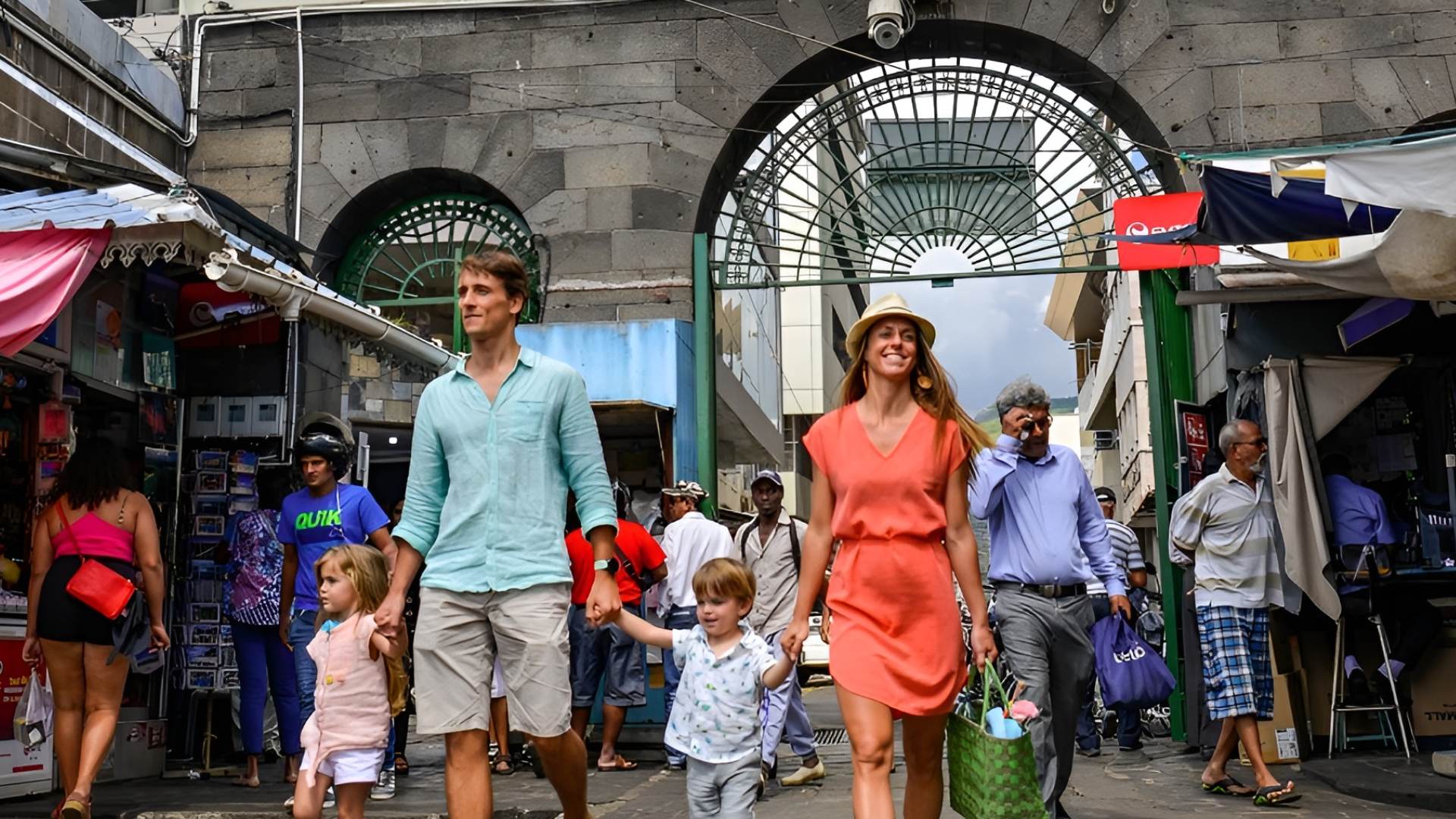
Mauritius is known for its lagoons, yet the island’s cultural depth is what stays with travellers long after they leave. The South, especially around Kaz’alala, encourages visitors to immerse themselves in. Conversations with villagers, slow walks through markets, shared meals that become stories, festivals that light up the night, moments of genuine connection. These experiences allow visitors to understand the soul of Mauritius not as a postcard, but as a living, breathing culture shaped by generosity and history.
Your Gateway to the Mauritius Locals Know and Love
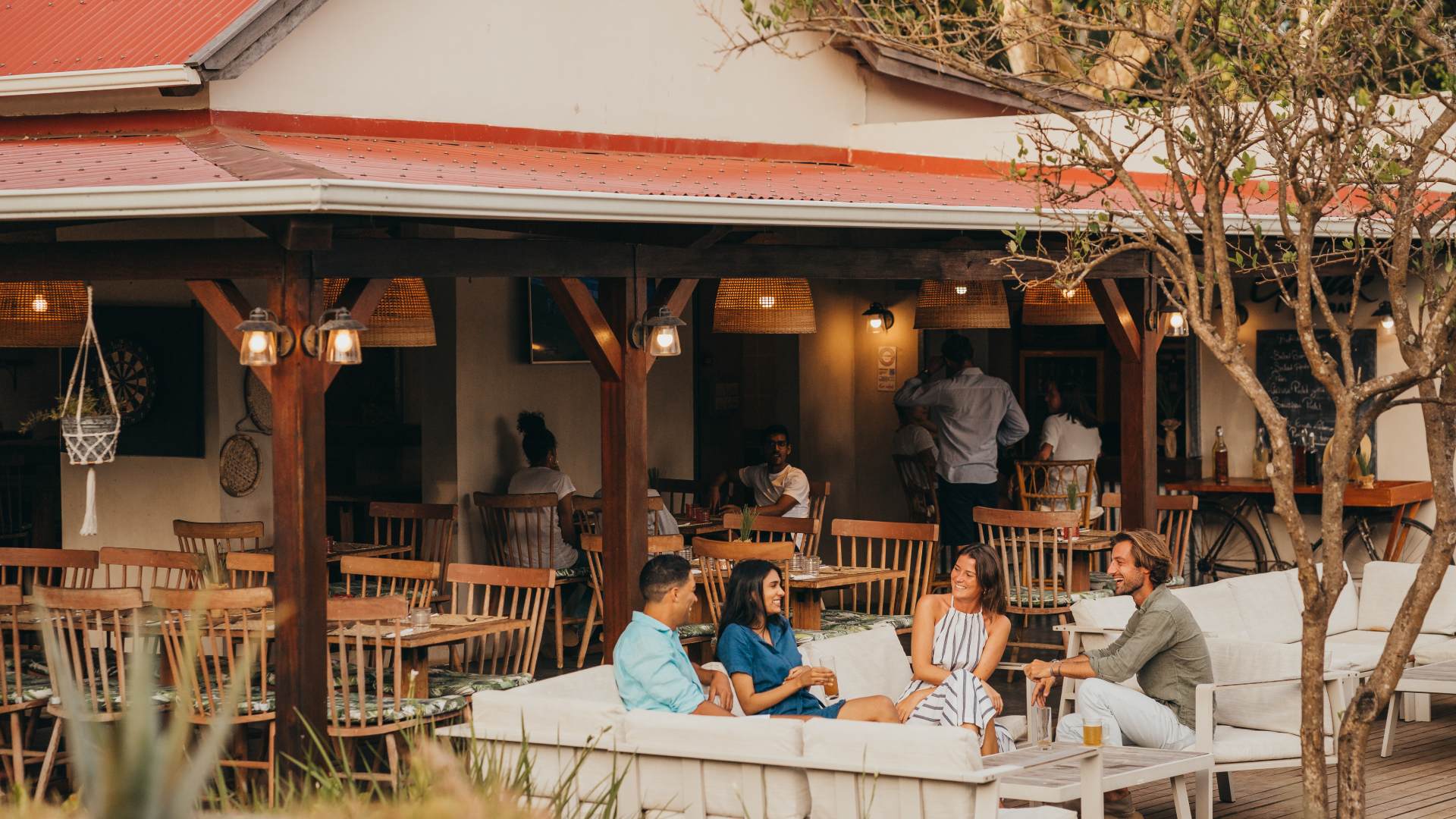
Kaz’alala embodies this cultural melting pot. The architecture, the food, the spaces, the people everything reflects the island’s diversity and warmth. Staying here is an invitation to meet Mauritians, learn from them, share with them, and discover a more meaningful side of the island. It is the perfect place to experience traditions, rhythms, and daily life up close, while enjoying the serenity of Bel Ombre. Mauritius is more than a destination. It is a blend of cultures, a symphony of flavours, a celebration of unity and at Kaz’alala, you can feel it in every moment.