


Jun 10, 2026
Local Flavours to Discover at Kaz’alala
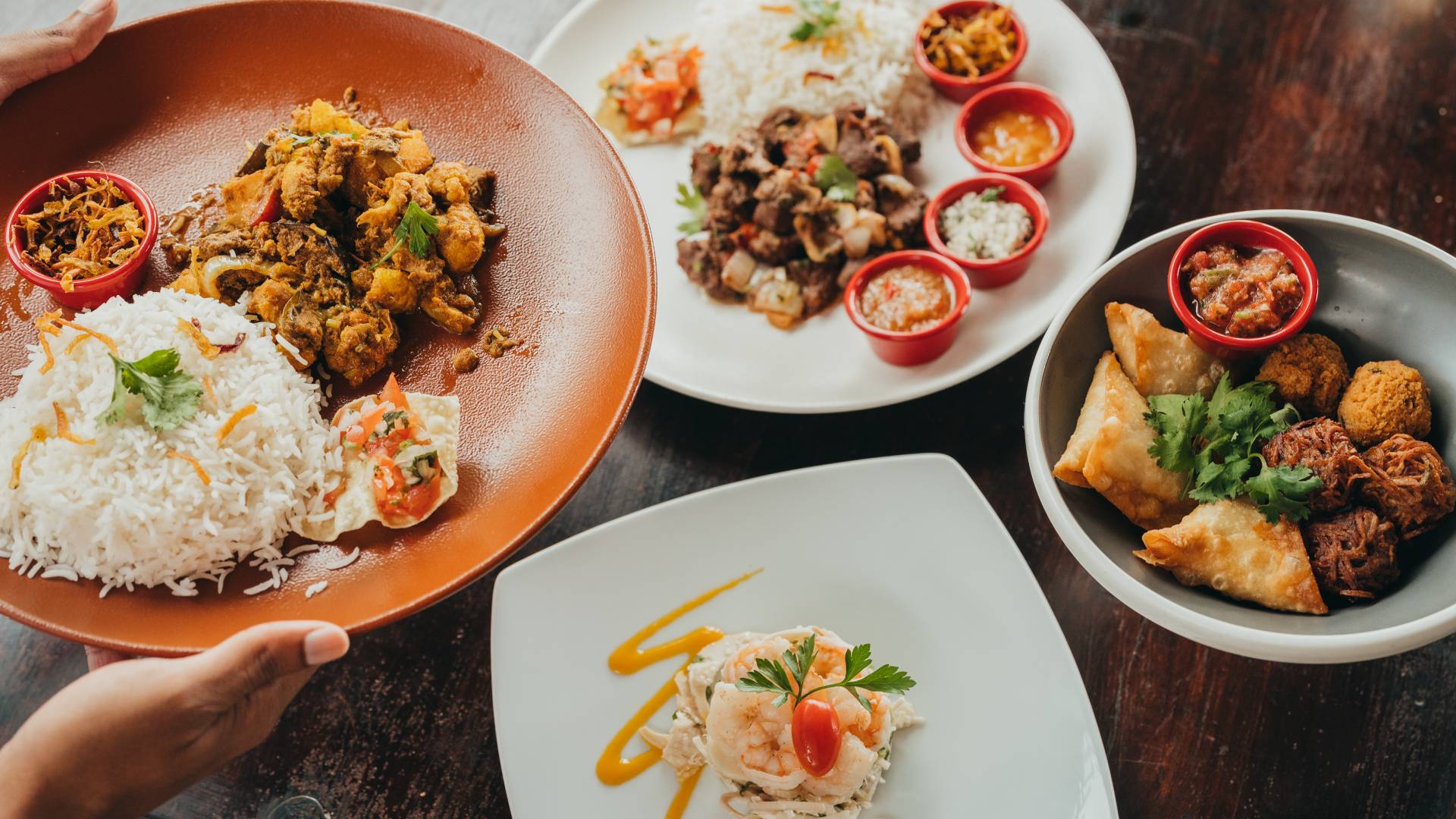
Mauritius is often described through its beaches, lagoons and landscapes. Yet one of the most meaningful ways to understand the island is through its food. Mauritian cuisine tells the story of the island with honesty. It speaks of migration, family traditions, local agriculture, trade, street food, home cooking and the way different communities have lived together over generations. It is not limited to one origin or one culinary style. Mauritian food brings together Indian flavours, Chinese techniques, French influences, Creole recipes and African heritage. Over time, these influences have become something fully local: generous, colourful, fragrant and deeply connected to everyday life. For travellers, tasting Mauritian cuisine is more than enjoying a meal. It is a way to understand the island through its people, its history and its rhythm. At Kaz’alala, this connection to local flavours is part of the experience. Set in Bel Ombre, in the south of Mauritius, Kaz’alala invites guests to discover the island in a way that feels simple, warm and grounded. Here, food is not only about what is served on the plate. It is about the feeling of place, the comfort of familiar recipes, and the pleasure of tasting Mauritius in a relaxed and authentic setting.
Why Mauritian Cuisine Deserves More Attention
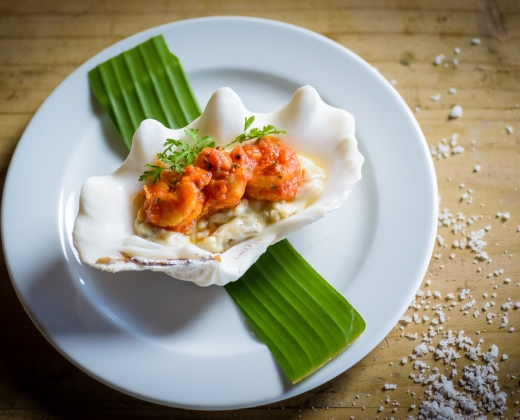
Mauritian cuisine deserves more attention because it is one of the richest expressions of the island’s identity. It can be found everywhere: in family kitchens, village shops, market stalls, coastal towns, hotel restaurants and the busy streets of Port Louis. Some dishes are slow-cooked and rooted in tradition. Others are quick, practical and served from a street cart with chilli paste on the side. A plate of Mauritian food often carries several influences at once. Rice may be served with lentils, pickles, chutney, rougaille, curry, fresh herbs and chilli.
A street food stop may bring together fried noodles, tomato sauce, coriander, garlic, chilli and Chinese-inspired flavours. A simple snack such as gateaux piments can say as much about the island as a more elaborate meal. This is what makes food in Mauritius so interesting. It is layered, but not complicated. It is generous, but not heavy. It is rooted in history, but still very much alive in daily life. For first-time visitors, Mauritian food offers context. It shows how different communities have adapted recipes, shared ingredients and created a cuisine that belongs fully to the island.
What Makes Mauritian Food So Special?
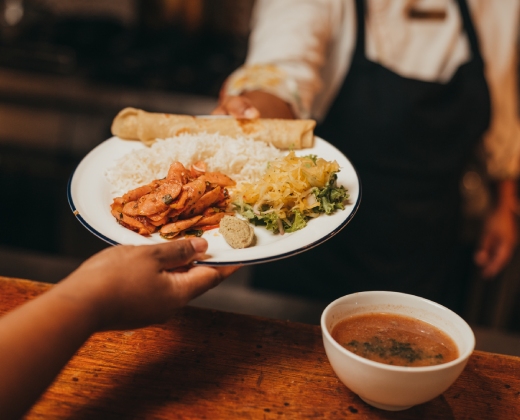
Mauritian food is special because it does not try to fit into one category. It is a cuisine of layers, contrasts and balance. A dish may be spicy, tangy, fresh, comforting and fragrant all at once. It may remind visitors of India, China, France or Africa, yet still taste unmistakably Mauritian. This is because recipes have been shaped by the island itself. Ingredients, climate, family habits, local produce and everyday practicality have all influenced the way dishes are prepared and enjoyed. A curry in Mauritius may carry Indian roots, but local herbs, Creole seasoning and island-grown vegetables give it a different identity.
A Chinese-inspired bol renversé may include rice, vegetables, meat or seafood, sauce and a fried egg, yet it has become a recognised Mauritian comfort dish in its own right. Mauritian cuisine is also deeply accessible. Some of the island’s most loved dishes are not reserved for formal dining. They are eaten at home, shared at gatherings, bought at markets, or enjoyed at roadside stalls. This makes the cuisine lively, democratic and close to the people. At Kaz’alala, this same spirit is important. The food experience is not meant to feel distant or overcomplicated. It is about local taste, comfort, simplicity and a genuine connection to the island.
The Four Pillars of Mauritian Flavour
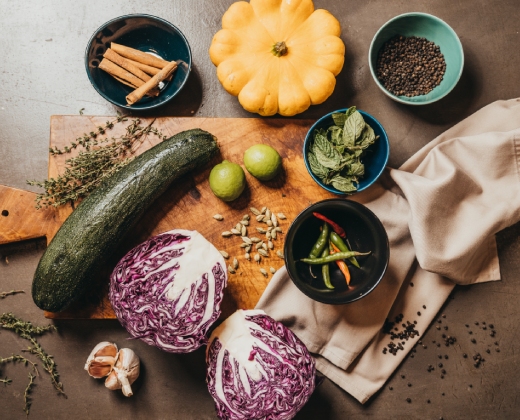
Mauritian flavour can be understood through four main pillars: spice, freshness, texture and balance.
Spice is central, but it is not only about heat. Mauritian cooking uses turmeric, cumin, coriander, cloves, cinnamon, curry leaves, mustard seeds, garlic, ginger and chilli to build depth and fragrance. Chilli is often served separately, allowing each guest to decide how much intensity they want. Freshness comes from herbs, vegetables, seafood, tropical fruits and local produce.
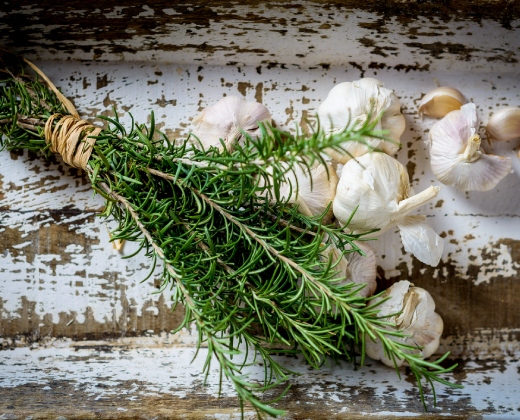
Coriander, thyme, spring onion, lime, tomato, green papaya, coconut and fresh fish all bring brightness to the table. Texture is also important. Mauritian food often combines crisp, soft, saucy and fresh elements. A plate may include fluffy rice, creamy lentils, crunchy pickles, tender meat and a sharp chutney. Street food also relies heavily on texture, from crisp gateaux piments to soft dholl puri. Balance is what brings everything together. Pickles and chutneys cut through rich curries. Lentils soften chilli. Fresh herbs lift tomato sauce. Lime adds brightness. This balance is one of the reasons Mauritian food feels satisfying without feeling too heavy.
The Cultural Influences Behind Mauritian Cuisine
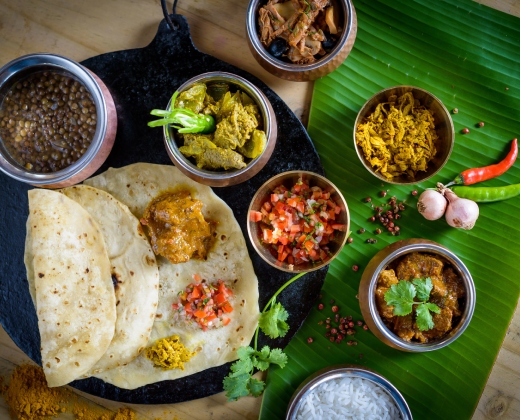
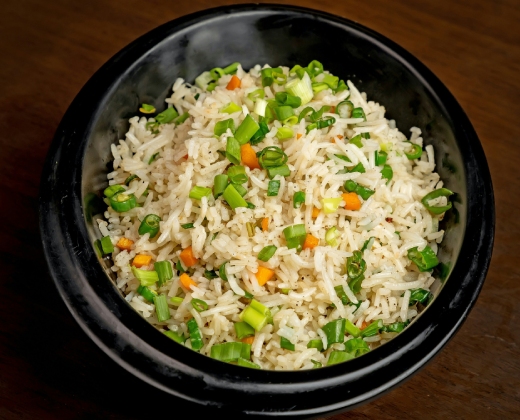
Mauritian cuisine is often described as a meeting point between cultures. This is true, but what makes it special is how these influences have been transformed locally. Indian influence is visible in curries, chutneys, pickles, biryani, farata, dholl puri and dishes made with split peas. Spices are used with confidence, but the flavours are adapted to local ingredients and family traditions. Chinese influence appears in fried noodles, fried rice, dumplings, mine bouillie and bol renversé. These dishes are part of everyday Mauritian food culture and are enjoyed across the island.
French influences can be seen in certain sauces, pastries, breads, gratins, desserts and cooking techniques. Tomato-based dishes, including rougaille, also reflect the island’s Creole and European-influenced cooking traditions. Creole cooking brings warmth, generosity and a strong sense of home. Rougaille, fish vindaye, octopus curry, salted fish, pickles, beans, rice and local greens are all part of this culinary identity. The result is not fusion in a modern marketing sense. It is everyday Mauritian cooking, shaped by history and made personal through generations.
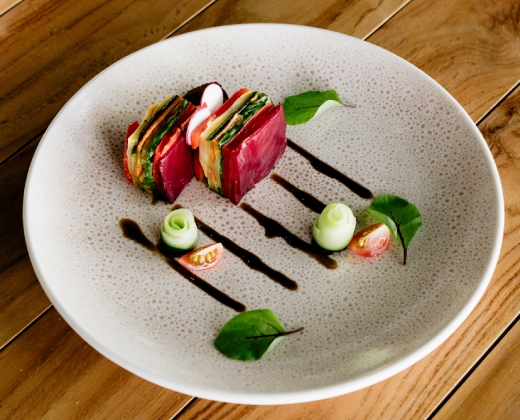
Local Ingredients and the Taste of the Island
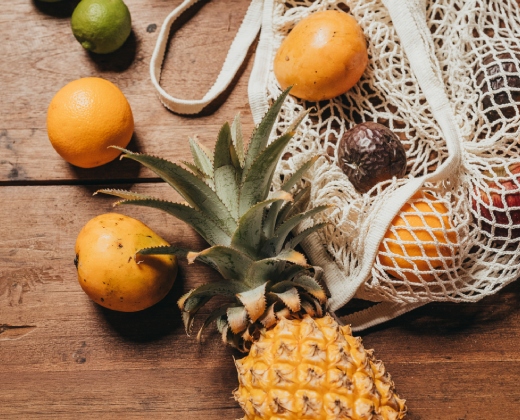
Mauritian cuisine is closely tied to the island’s land, sea and seasons. Local ingredients give the food its freshness and character. Tomatoes, herbs, chillies, eggplants, pumpkins, greens, coconuts, pineapples, bananas, papayas, fish and seafood all contribute to the taste of Mauritius. This connection to local sourcing matters. It supports freshness, but also helps preserve a stronger link between food, place and community.
When hotels, restaurants and guesthouses work with local producers, the experience becomes more meaningful. Guests enjoy ingredients that feel connected to the island, while farmers, fishermen and suppliers benefit from tourism in a more direct way. At Kaz’alala, this local connection is central to the experience. The property’s food identity is not designed to feel removed from Mauritius. It reflects the surrounding region, the relaxed rhythm of Bel Ombre and the familiar flavours that guests are likely to remember long after their stay.
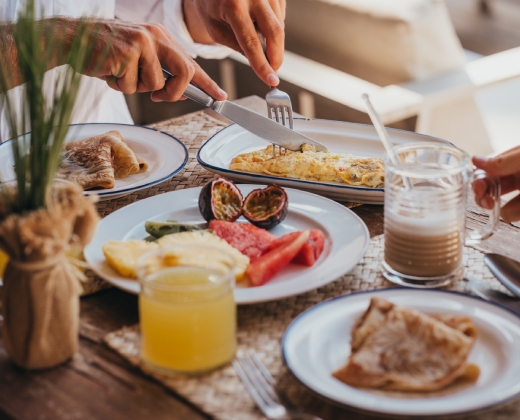
Traditional Mauritian Dishes Every Visitor Should Try
For first-time visitors, the best way to begin is with the dishes Mauritians themselves know and love.
Dholl puri
One of the island’s most iconic street foods. Made with split peas and served with curry, rougaille, chutney and chilli, it is simple, filling and full of flavour.
Gateaux piments
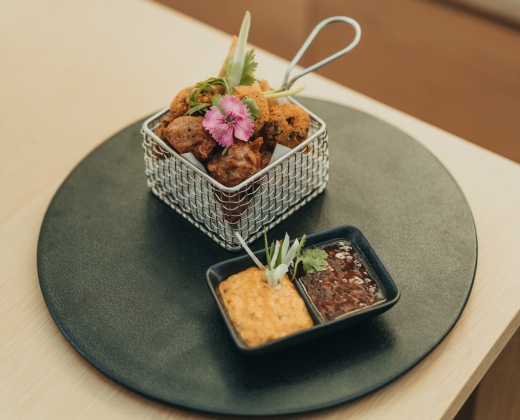
Small chilli cakes made with split peas, herbs and spices. They are crisp on the outside, soft inside, and often enjoyed as a snack.
Rougaille
A tomato sauce-based dish cooked with garlic, onion, thyme, chilli and different proteins such as fish, sausage, chicken or salted fish. It is one of the most familiar Mauritian dishes and is often served with rice or bread.
Bol renversé
Is a Chinese-Mauritian dish made with rice, stir-fried vegetables, sauce, meat or seafood, and usually a fried egg on top. It is turned upside down before serving, which gives the dish its name.
Mine frit, or fried noodles
Is another local favourite. It is often served with vegetables, egg, chicken, seafood or meat, with chilli and garlic sauce on the side.
Biryani
A fragrant rice dish with Indian roots, prepared with spices, herbs, potatoes, meat, seafood or vegetables. In Mauritius, it is often served at gatherings, celebrations and family events.
Fish vindaye
Is made with mustard, turmeric, onion, garlic, chilli and vinegar. It is usually served cold or at room temperature, often with bread or rice.
Alouda
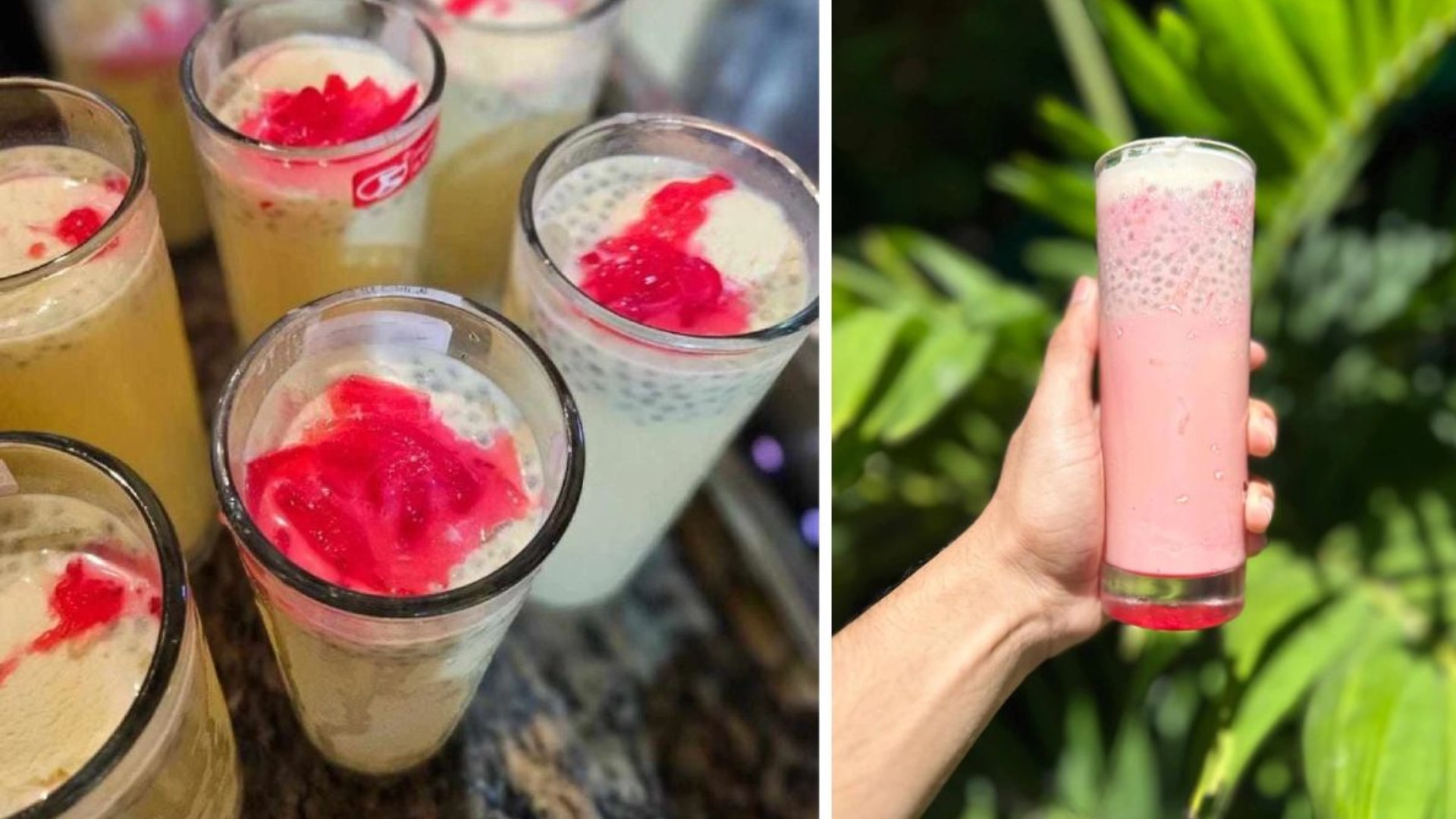
Is a popular sweet drink made with milk, basil seeds, syrup and jelly. It is especially well known in Port Louis, where the Central Market remains one of the best-known places to try local specialities.
Mauritian Street Food Every Visitor Should Try
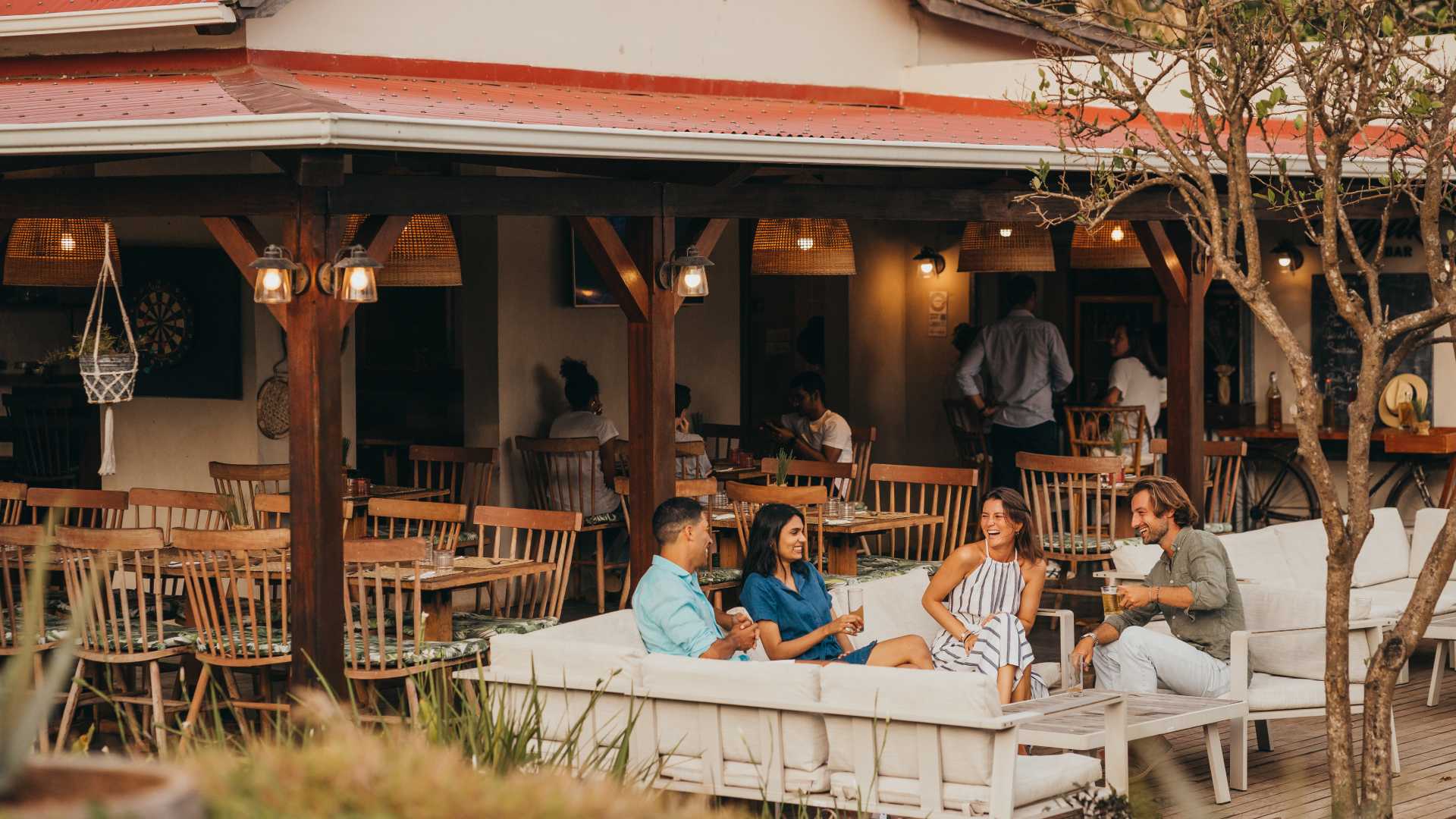
Street food is one of the best ways to experience the real rhythm of Mauritius. It is quick, affordable, full of character and deeply connected to daily life. It also shows how Mauritian food brings different cultures together through shared taste. Some of the most popular Mauritian street foods include dholl puri, gateaux piments, samosas, mine frit, boulettes, roti, farata, alouda and fresh fruit served with chilli salt. These are not just snacks. They are part of the island’s social fabric. They are eaten during lunch breaks, after school, during market visits, on the roadside, at family gatherings and in between daily errands. For visitors, trying Mauritian street food is a simple but memorable way to connect with the island beyond the postcard image.
Experiencing Local Flavours at Kaz’alala
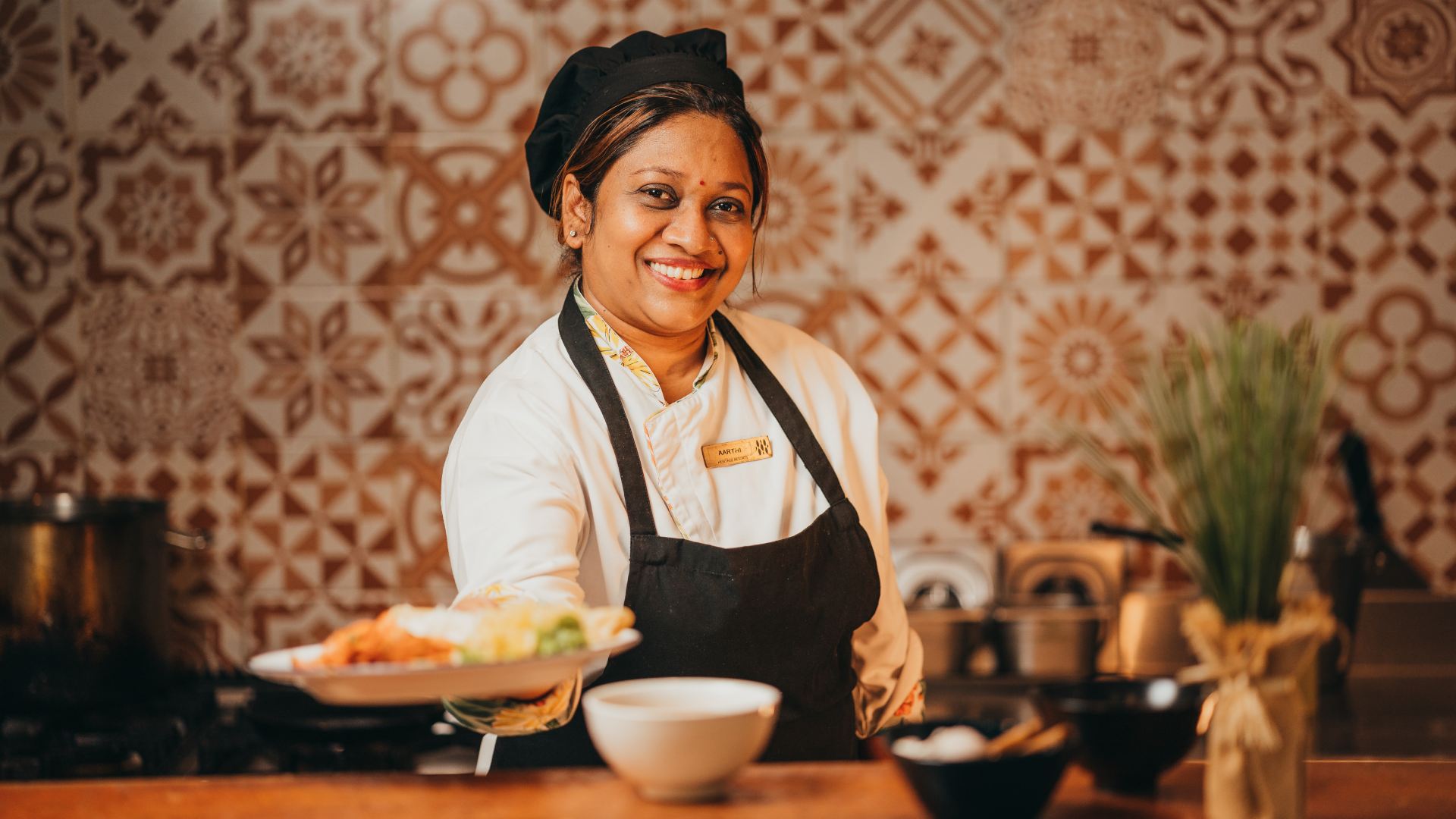
Kaz’alala offers guests a way to experience Mauritian cuisine without overcomplicating it. The food experience is rooted in local culture, familiar recipes and a relaxed sense of hospitality. Meals are not only about presentation. They are about taste, comfort and connection to place. Guests can expect flavours that reflect Mauritius and the surrounding region: local produce, traditional recipes, Creole inspiration and dishes that feel warm, generous and sincere. For travellers staying in Bel Ombre, this is especially relevant. The south of Mauritius has a quieter rhythm, with nature, villages, agricultural landscapes and local traditions close by. Kaz’alala fits naturally into this environment. It is not trying to offer a staged version of Mauritian culture. Instead, it gives guests a more grounded way to taste the island: through food that feels familiar, generous and connected to the community around it. For travellers who want to understand Mauritius beyond the beaches, food is one of the most direct entry points. At Kaz’alala, a meal can introduce guests to the island’s history, its communities and its everyday way of living.
A Taste of Mauritius at Kaz’alala
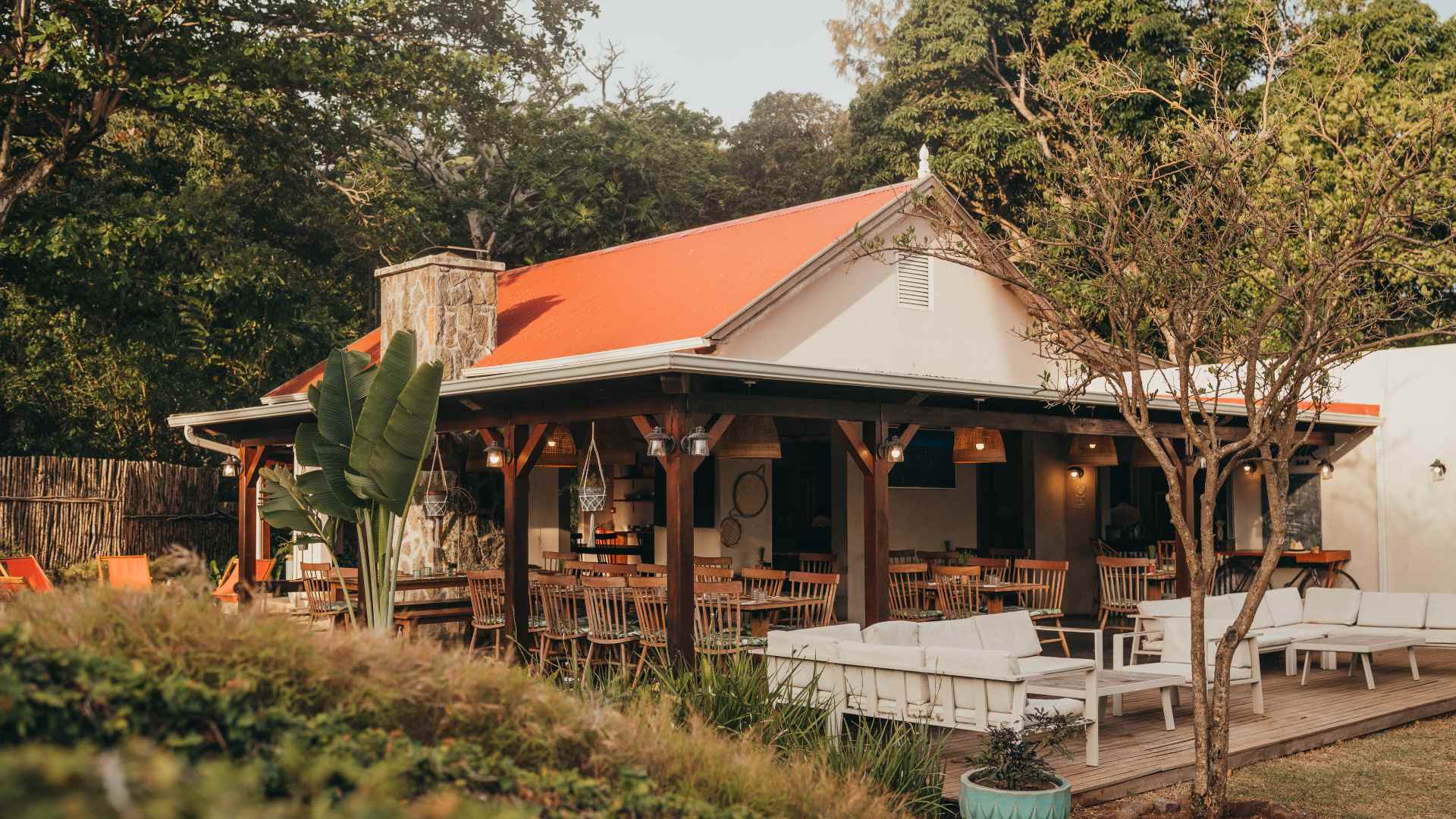
Mauritian cuisine is special because it carries the island’s identity in every dish. It is shaped by history, but it remains alive in everyday life. It brings together Indian, Chinese, French, Creole and African influences without losing its local character. It is found in homes, markets, street stalls, guesthouses and hotel kitchens. It can be humble, generous, fragrant and deeply satisfying. For guests visiting Mauritius for the first time, food is one of the best ways to understand the island. A plate of dholl puri, a bowl of bol renversé, a rougaille served with rice, or a warm gateau piment can say as much about Mauritius as a landscape or a guided tour. At Kaz’alala, this connection to local flavours is part of the experience. Choosing Kaz’alala means choosing more than a place to stay. It means choosing a base from which the taste, rhythm and character of Mauritius can be experienced with sincerity.
FAQ: Mauritian Cuisine and Local Dishes
What is Mauritian cuisine known for?
Mauritian cuisine is known for its mix of Indian, Chinese, French, Creole and African influences. It includes curries, rice dishes, noodles, chutneys, pickles, seafood, street food and tomato-based dishes such as rougaille.
Is Mauritian food spicy?
Mauritian food can be spicy, but not every dish is hot. Chilli is often served separately, allowing each guest to adjust the heat. Many dishes focus more on fragrance, balance and depth than strong spice alone.
What is the most popular Mauritian street food?
Dholl puri is one of the most popular street foods in Mauritius. It is made with split peas and usually served with curry, rougaille, chutney and chilli.
What is bol renversé?
Bol renversé is a Chinese-Mauritian dish made with rice, vegetables, sauce, meat or seafood, and a fried egg. It is assembled in a bowl, turned over onto a plate, and served as a complete meal.
Where can visitors try street food in Mauritius?
Street food can be found across the island, including markets, village centres, coastal towns and Port Louis. The capital is especially known for its street food culture, including dholl puri, boulettes, noodles and alouda.
What should first-time visitors eat in Mauritius?
First-time visitors should try dholl puri, gateaux piments, rougaille, fish vindaye, biryani, fried noodles, boulettes, bol renversé, farata and alouda.
Does Kaz’alala serve local Mauritian food?
Kaz’alala offers a food experience inspired by local flavours, Mauritian dishes and the surrounding region. Guests can enjoy cuisine that reflects the island’s culture, ingredients and relaxed way of life.