


Feb 12, 2026
Eco tourism in Bel Ombre: A guide to sustainable travel, with Kaz’alala as your base
Bel Ombre sits in the southwest of Mauritius, where a slower rhythm can be chosen and where travel habits tend to show quickly in the landscape. For eco tourism, this matters. A stay is not only about where time is spent, but also about how it is spent, how people are met, and how pressure is managed on places that remain ecologically sensitive. Kaz’alala is positioned for this kind of travel, with a hosted Bed and Breakfast format in Bel Ombre. From here, the south can be approached with a practical mindset: keep impact low, favour local value, and leave natural systems as they were found.
Unique biodiversity and endemic species
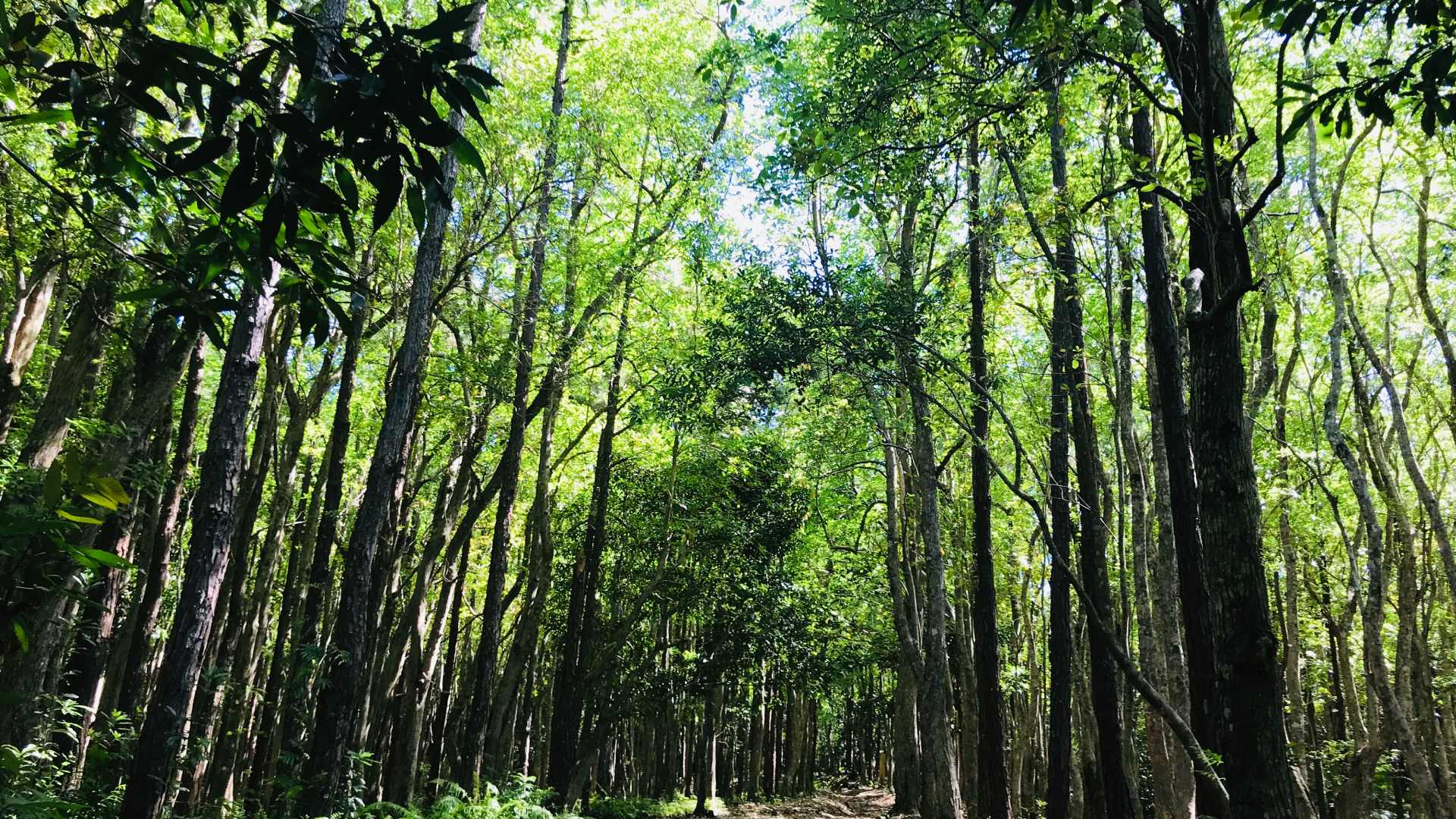
Mauritius is known for endemic biodiversity, much of which survives in fragments of native vegetation that require ongoing protection. In the Black River Gorges Bel Ombre biosphere reserve, the conservation of the island’s remaining endemic vegetation and tropical evergreen forest is identified as a core purpose. This is not a backdrop. It is living habitat, often slow to recover when it is disturbed. In Bel Ombre, nature experiences should therefore be framed as access that has been granted, not as entitlement.
National parks, nature reserves, and protected areas
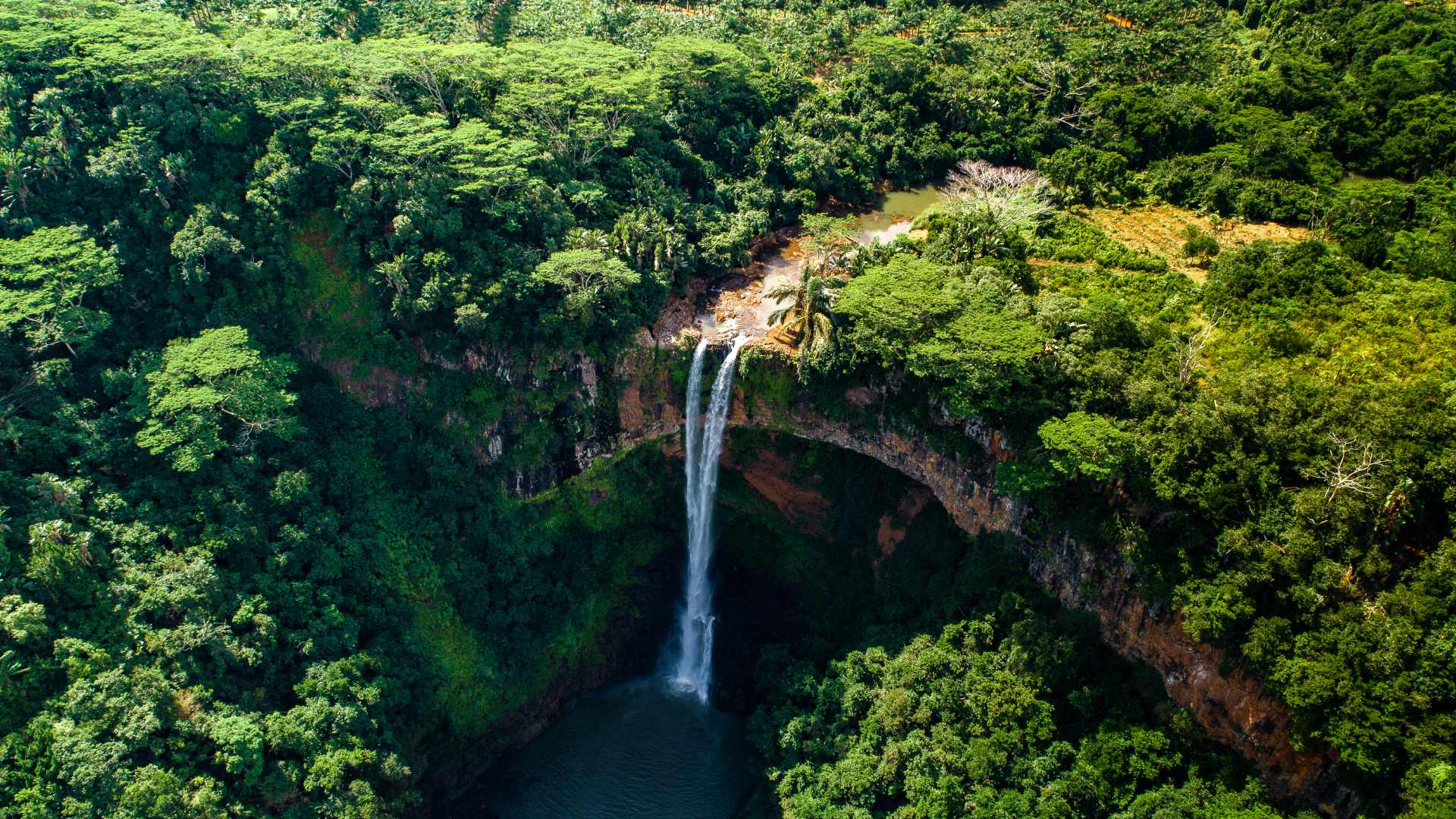
The southwest is linked to protected areas that support conservation and environmental education. The Black River Gorges Bel Ombre biosphere reserve is presented by UNESCO under the Man and the Biosphere Programme, with reference to a national park core area and awareness work through an information centre and school education. It is also stated that the Macchabée Bel Ombre area has held recognition as a biosphere reserve under UNESCO’s programme since 1977. For travellers, the implication is clear. Time in these landscapes should be planned, guided when needed, and approached with restraint.
Marine ecosystems : Lagoons, coral reefs, and marine life
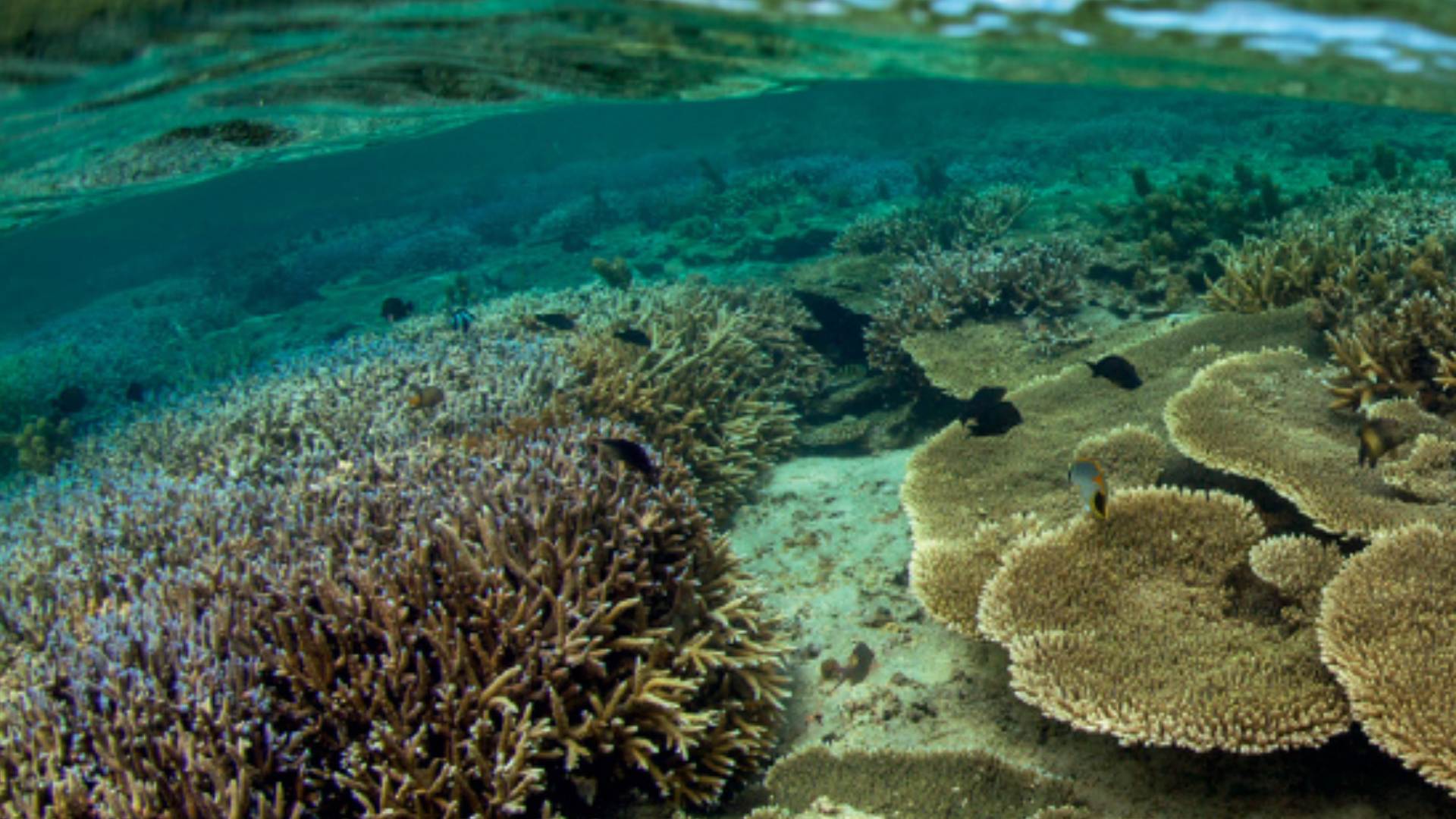
Mauritius is ringed by lagoons and reef systems that support fish nurseries, seagrass beds, and coastal protection. Their health is affected by sunscreen choice, boating behaviour, anchoring, litter, and seafood demand. In Bel Ombre, marine time is best kept simple. Swimming, paddling, and shore-based observation are often enough. When boats are used, operators should be selected with care, and wildlife should be kept at a respectful distance.
Responsible nature-based activities in Bel Ombre
Low impact activities can be enjoyed without being diluted. Walks should be prioritised over motorised options where possible. Trails should be followed as marked. Wildlife should not be approached for photographs. Sound should be kept low. Where guides are available, they should be used, not only for safety, but also for context. A guided approach supports better decision making and can reduce unintentional damage. If hiking is planned, a few habits tend to make the difference. Refillable water should be carried. Waste should be carried back out, including food scraps. Plants should not be handled, even when they appear robust. When swimming in lagoons, contact with coral should be avoided entirely. Nothing should be collected, even when it looks abundant. Eco tourism is often discussed as a concept. In practice, it is a series of small choices made repeatedly during the day.
Sustainable food and dining

Food is one of the most direct ways to support a destination without increasing strain on nature. In Mauritius, local dishes can be chosen in ways that keep supply chains short, support local growers, and maintain culinary heritage. In Bel Ombre, that can mean meals that lean on seasonal produce, pulses, and locally sourced ingredients, rather than imported items with higher transport impact. At Kaz’alala, the hosted format can support this rhythm, since meals and local dining can be planned around what is available rather than what is demanded. Waste should be treated as a travel decision, not as an operational detail. Portions can be ordered with realism. Bottled water can be replaced with filtered or refillable options where safe. Single use packaging can be declined when alternatives exist. When seafood is chosen, it should be approached with the same care. Where sourcing cannot be clarified, another option can be selected.
Best regions in Mauritius for eco tourism
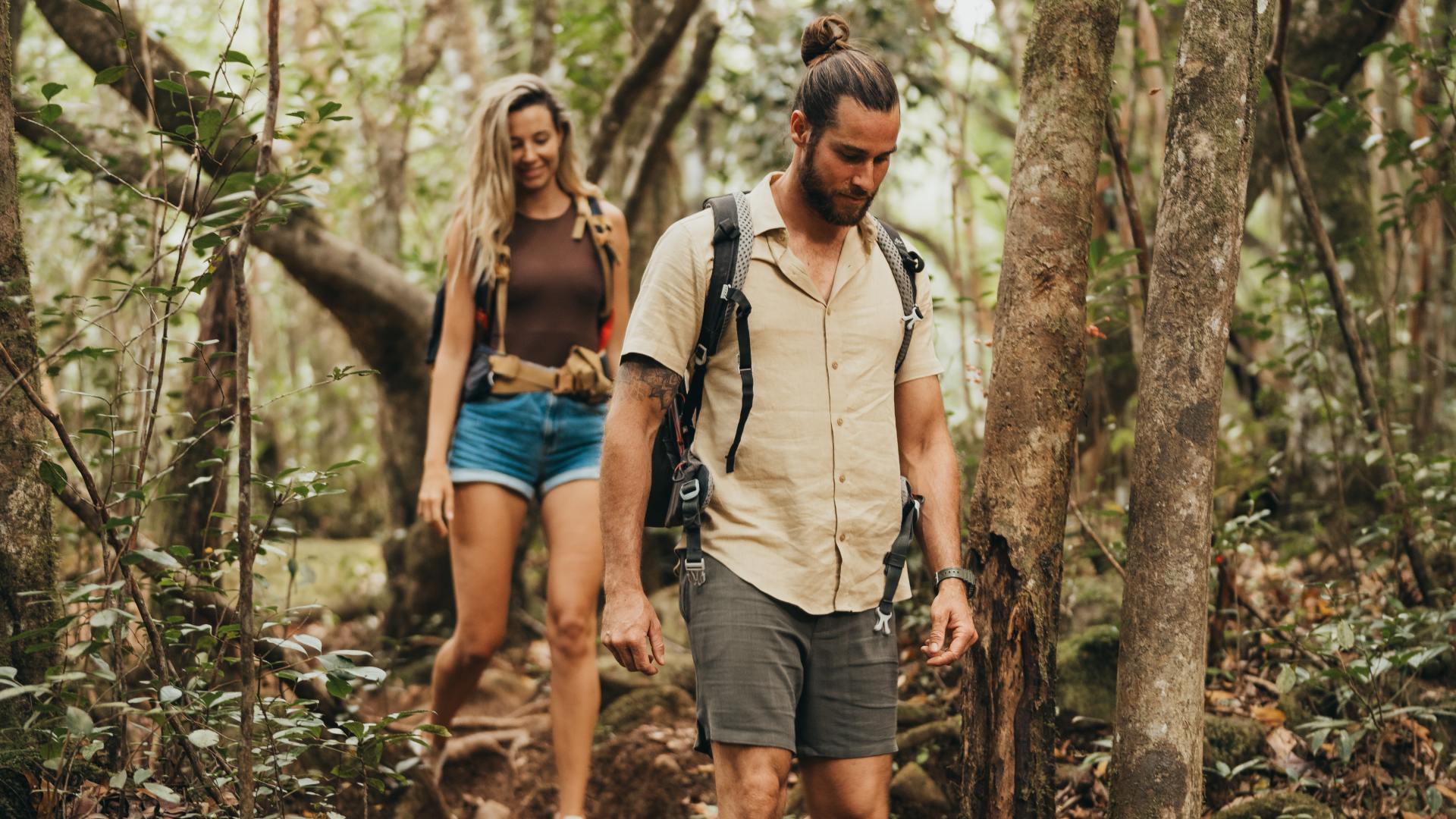
Why the south tends to suit low impact travel. The southwest is often suited to eco tourism because activities can be built around walking, guided nature time, and a slower schedule that reduces constant transfers. Bel Ombre is also associated with UNESCO biosphere recognition, which places conservation and balanced use at the centre of how the territory is framed. For travellers, that means nature time can be planned around protected landscapes, rather than being added as an afterthought between high impact excursions. A simple plan tends to work best here. One day can be kept for a guided walk. One day can be kept for coastal time. One day can be kept for local life, such as village shopping, markets, and small food experiences. The pressure to “do everything” is often what increases impact.
Sustainable transportation options
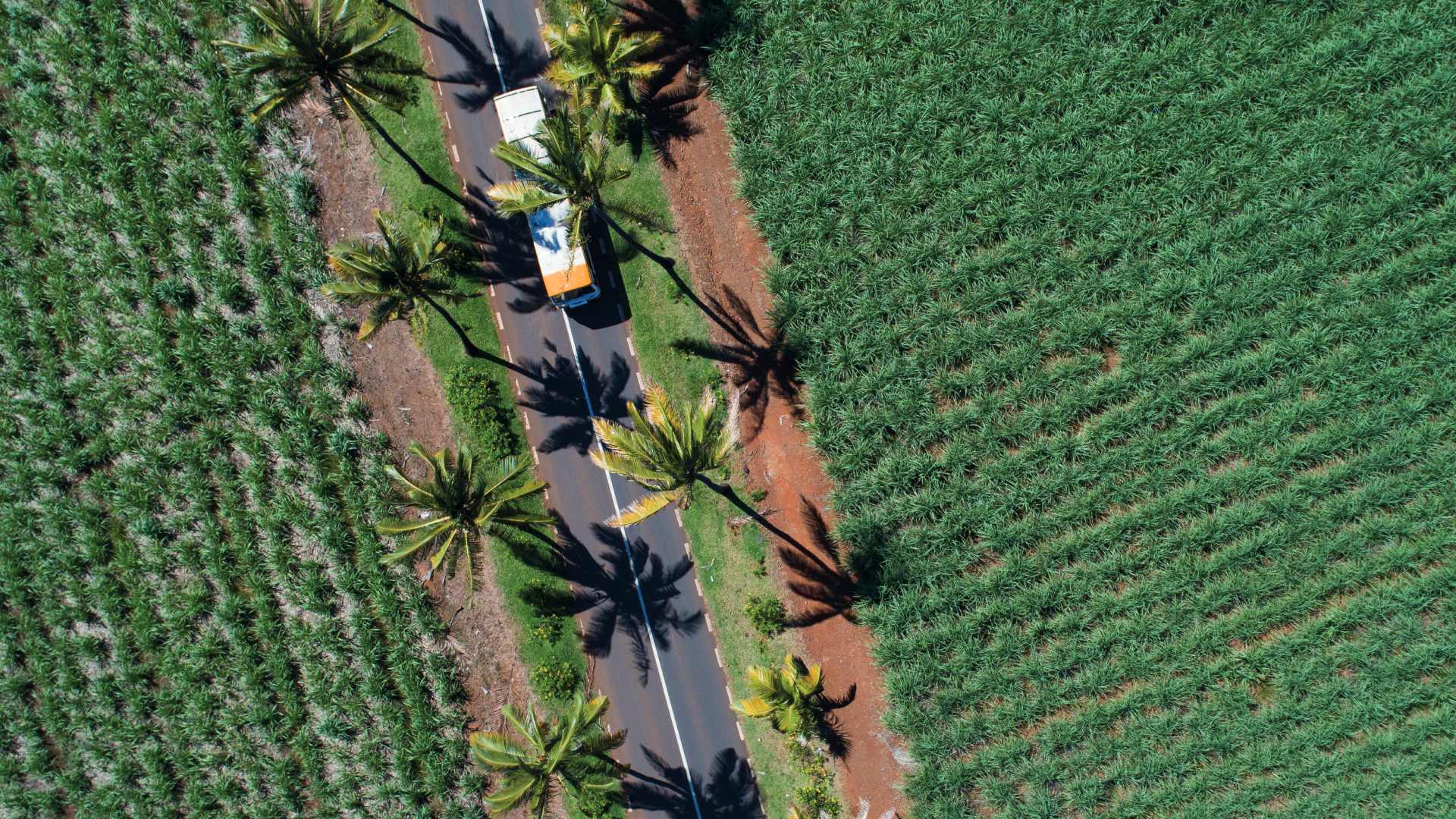
Transport decisions shape footprint quickly on an island. Public transport can be used for selected routes, especially when time is flexible. Walking can be built into short distances in Bel Ombre. Cycling can work for confident riders on suitable roads and at suitable times of day. When a car is needed, fewer trips should be planned rather than many short, repeated transfers. Where low impact transfers are available, including electric vehicle options, they can be prioritised, particularly for airport transfers and planned day routes. If a stay is structured around one region instead of several, transport can often be reduced without any real loss of experience.
Eco friendly accommodation in Mauritius
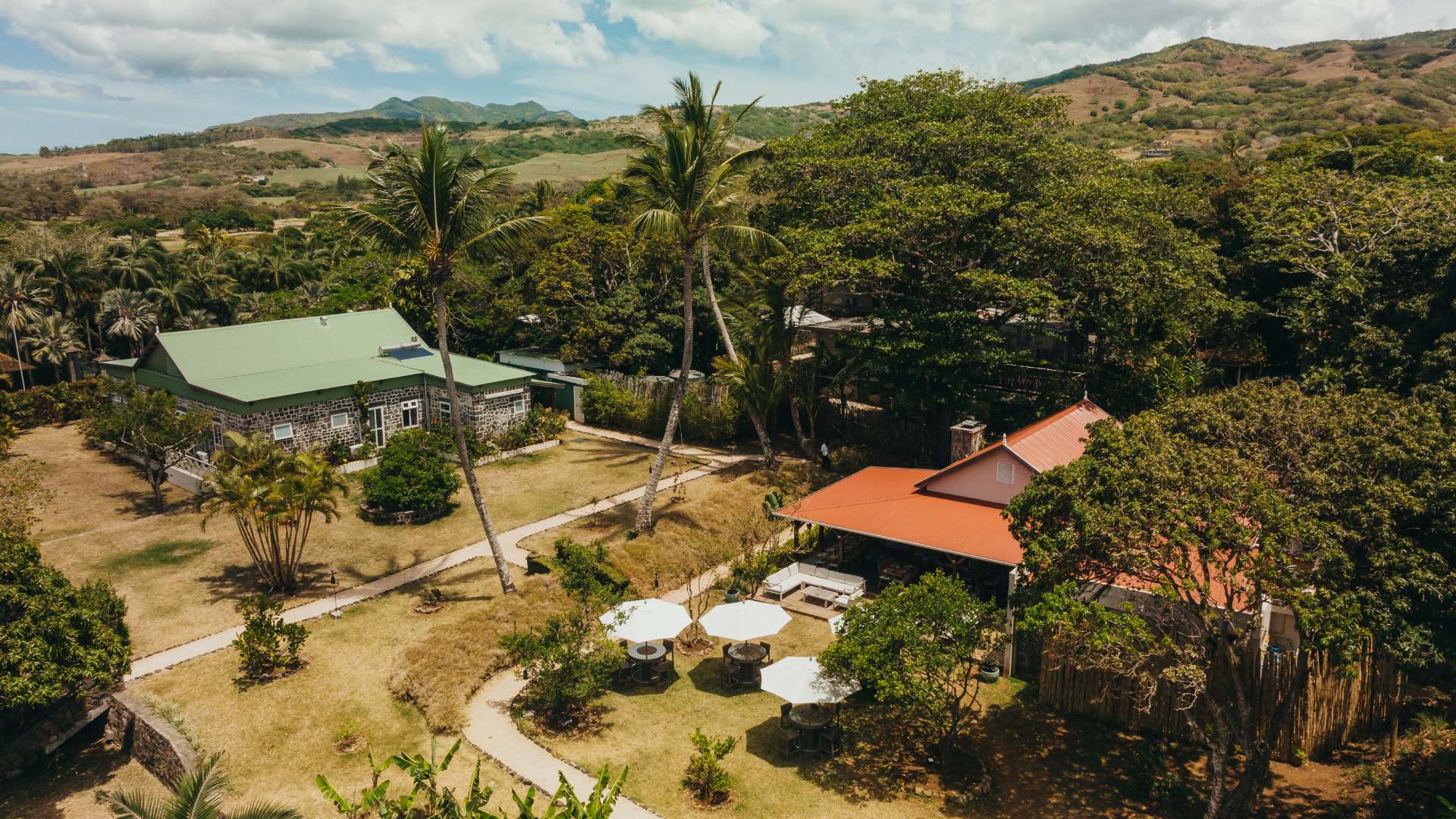
Eco friendly accommodation is often defined by what is done each day rather than what is claimed. Local people should be employed, local suppliers should be prioritised, and water, energy, and waste should be handled with care. Kaz’alala fits this intention through a hosted stay in Bel Ombre, where the pace is quieter and where the south can be experienced without constant moving around the island. When one address is kept for longer, travel becomes lighter, and the place is given the time it deserves.